Recipes & guides · Yogurt starter cultures · 4 min read
Common Mistakes When Using Yogurt Starter Cultures and How to Avoid Them
Using yogurt starter cultures at home is simple, but common mistakes can affect your results. Learn how to avoid the biggest pitfalls and enjoy creamy, consistent homemade yogurt every time.
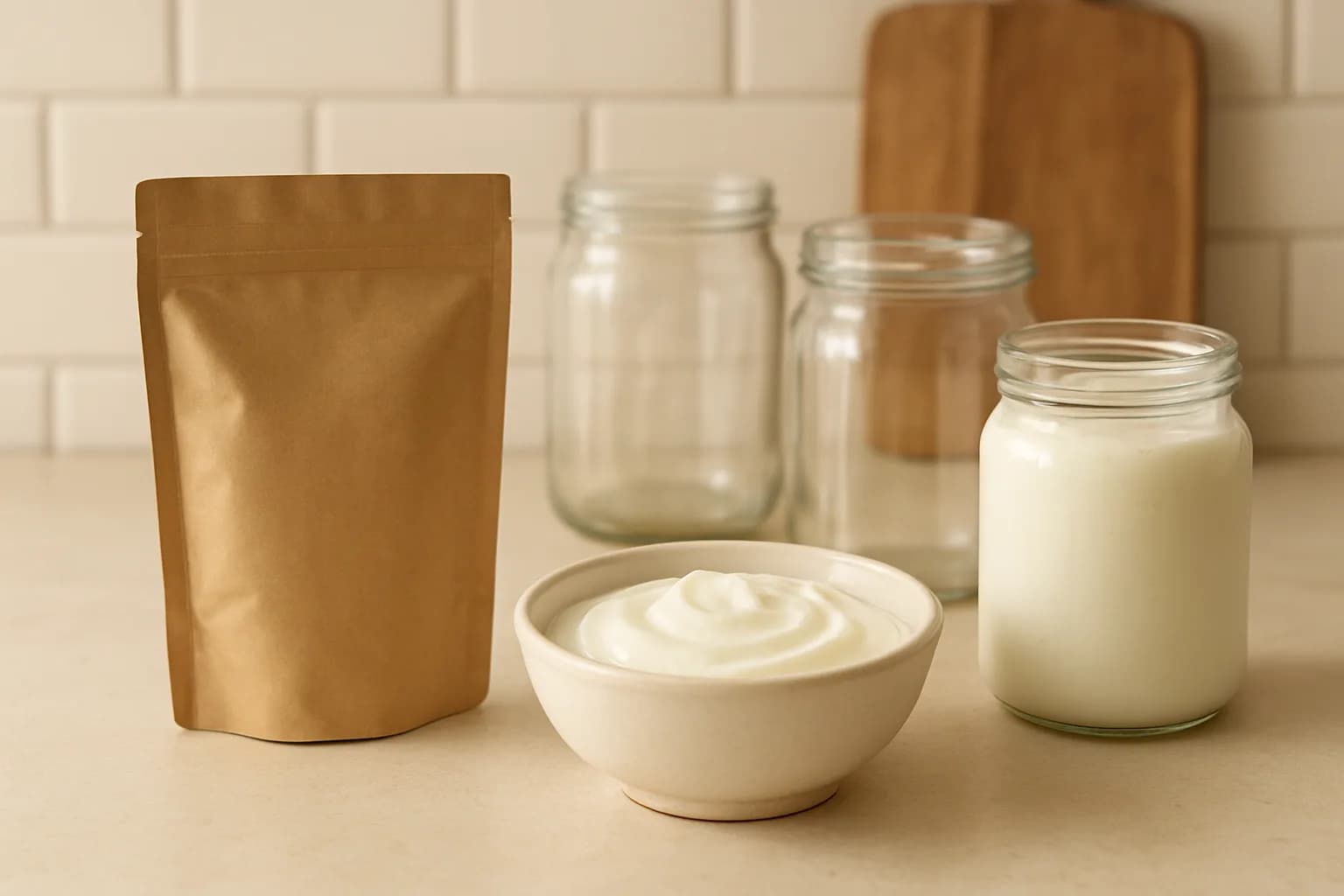
Yogurt starter cultures make homemade yogurt easy, but common mistakes can lead to inconsistent taste or texture. The most frequent problems include using the wrong milk temperature, not sterilizing equipment, or reusing starter too many times. By learning how to avoid these errors, you can enjoy smooth, delicious Bulgarian yogurt every time.
Key takeaways
- Using the wrong milk temperature is the most common mistake with yogurt starter cultures.
- Sterilizing all equipment before use helps prevent unwanted bacteria in homemade yogurt.
- Overusing the same starter culture can result in weaker yogurt texture and flavor.
- Choosing the right storage conditions extends the life of your starter culture.
- Following clear instructions for each yogurt starter culture gives more reliable results.
What are the most common mistakes with yogurt starter cultures?
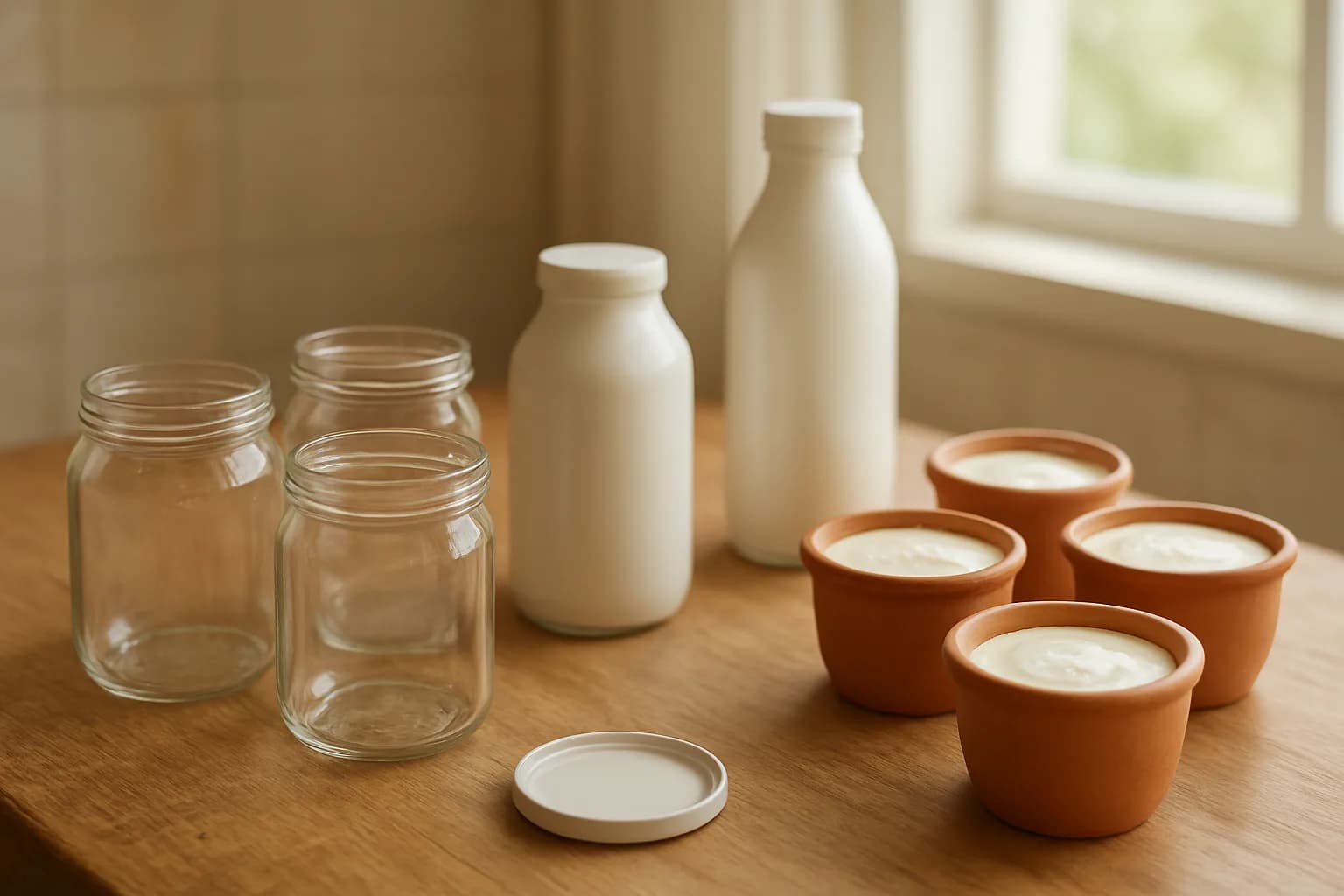
The most common mistakes with yogurt starter cultures are incorrect milk temperature, unclean equipment, and using an expired or overused starter. Yogurt starter cultures need a specific temperature range (usually around 42°C) to work properly. If the milk is too hot, it can kill the live bacteria; if it is too cool, fermentation may not begin. Non-sterile containers or utensils can introduce unwanted microbes, affecting both taste and consistency. Using a starter culture for too many batches can weaken the bacteria, resulting in thinner yogurt or inconsistent flavor. Each of these mistakes is easy to avoid with careful preparation and attention to detail.
How do you prepare milk for yogurt starter cultures?
To prepare milk for yogurt starter cultures, heat the milk to just below boiling, then cool it to the temperature recommended by the culture manufacturer. Heating the milk to about 85–90°C denatures the proteins, helping yogurt set better. After heating, let the milk cool down to around 42°C, which is optimal for most yogurt starter cultures. Using a kitchen thermometer is the most reliable way to check this. Pour the cooled milk into sterilized containers, then add the starter culture and mix gently.
Tip: Using a dedicated kitchen thermometer makes it much easier to hit the perfect milk temperature every time.
How should you store and handle yogurt starter cultures?
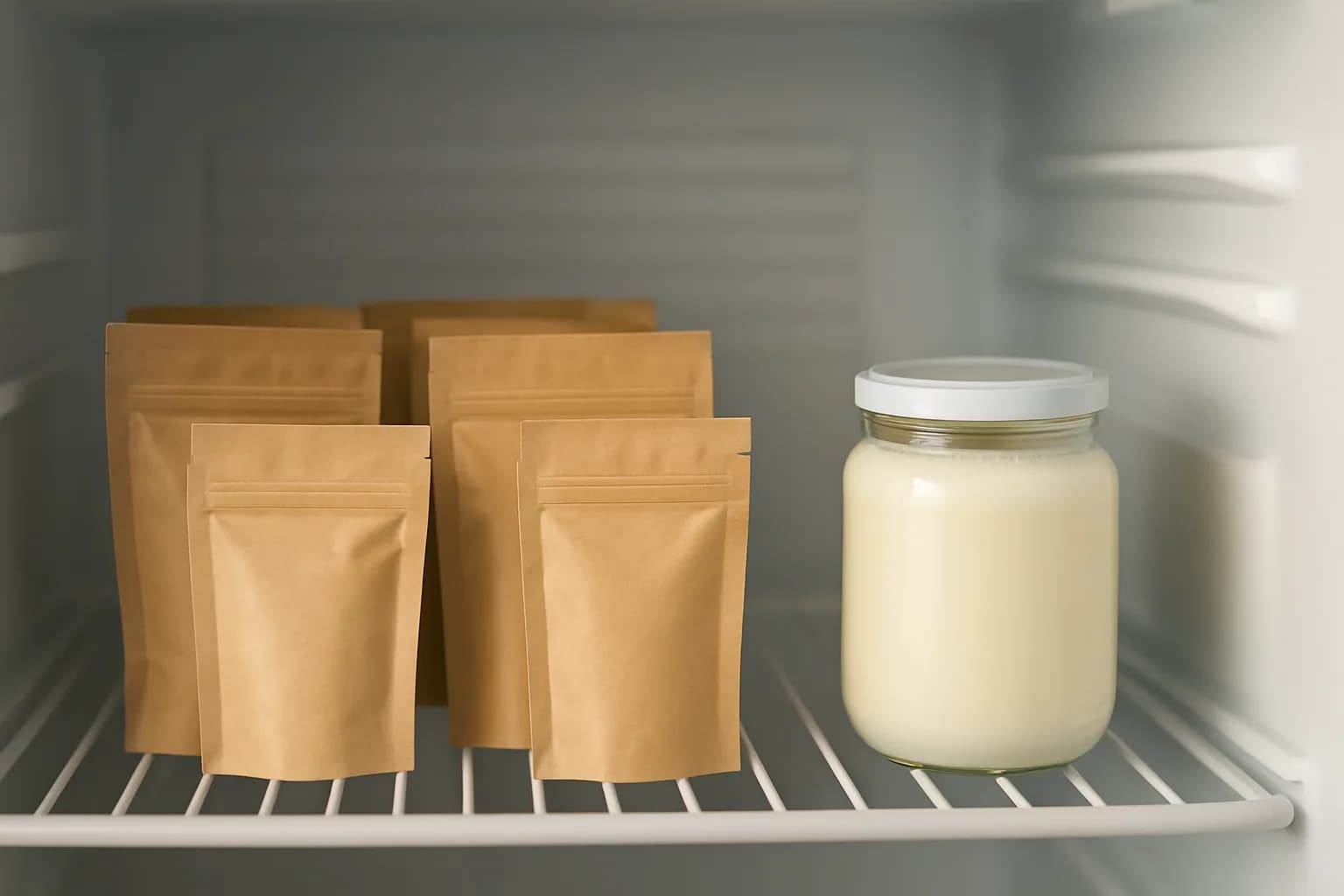
Store yogurt starter cultures in a cool, dry place, such as the refrigerator, to keep the bacteria active for longer. Most powdered or freeze-dried starter cultures last several months in the fridge if unopened. Once opened, reseal the package tightly and avoid exposure to moisture. When handling the starter, use clean, dry utensils to prevent contamination. If you make yogurt regularly, consider dividing the starter into smaller portions and only opening what you need each time. Proper storage and careful handling protect the live cultures and help ensure good results batch after batch.
How many times can you reuse homemade yogurt as a starter?
Homemade yogurt can be reused as a starter for a few batches, but flavor and texture may decline after three to five times. Each time you use homemade yogurt as a starter, some of the beneficial bacteria may be outcompeted by unwanted strains from the environment. Over time, this can lead to runnier or sourer yogurt. For the most consistent results, use a fresh yogurt starter culture from the shop every three to five batches or whenever you notice a change in taste or consistency. This keeps your homemade yogurt creamy and authentic.
What equipment do you need to avoid mistakes with yogurt starter cultures?
To avoid mistakes when using yogurt starter cultures, you need a few basic tools: a reliable kitchen thermometer, sterilized containers (glass jars or food-safe plastic), and a yogurt maker or a warm place for fermentation. The thermometer ensures precise milk temperature, while clean containers prevent contamination. A yogurt maker helps maintain the ideal temperature for fermentation, but you can also use an oven with a light on or an insulated cooler. Investing in these simple tools can help you succeed with yogurt starter cultures, especially during the colder winter months when kitchens are cooler.
Frequently asked questions
Can I use any type of milk with yogurt starter cultures?
Most yogurt starter cultures work best with whole or semi-skimmed cow's milk. You can experiment with goat's or sheep's milk, but the texture and flavor may differ. Always check the instructions on your starter culture for best results.
Why is my homemade yogurt runny or grainy?
Runny or grainy yogurt is often caused by incorrect milk temperature, weak starter culture, or insufficient fermentation time. Use a thermometer to check temperatures and consider using a fresh starter if the problem continues.
How long should I ferment yogurt at home?
Fermentation time for homemade yogurt is usually 6 to 10 hours at around 42°C. The exact time depends on your preferred taste and texture: a longer time gives tangier, thicker yogurt.
Can I freeze yogurt starter culture for later use?
Some freeze-dried yogurt starter cultures can be stored in the freezer to extend their shelf life. Always check the packaging instructions, as freezing may not be suitable for all types.
What should I do if I have a health condition or special dietary needs?
If you have a health condition or special dietary requirements, consult your doctor or pharmacist before introducing homemade yogurt or new starter cultures to your diet.