Recipes & guides · kefir at home · 3 min read
How to Choose the Right Kefir Grains for Making Kefir at Home
Selecting the right kefir grains for making kefir at home depends on your taste preferences, kitchen habits, and desired results. Learn the differences, what to look for, and how to start this rewarding tradition.
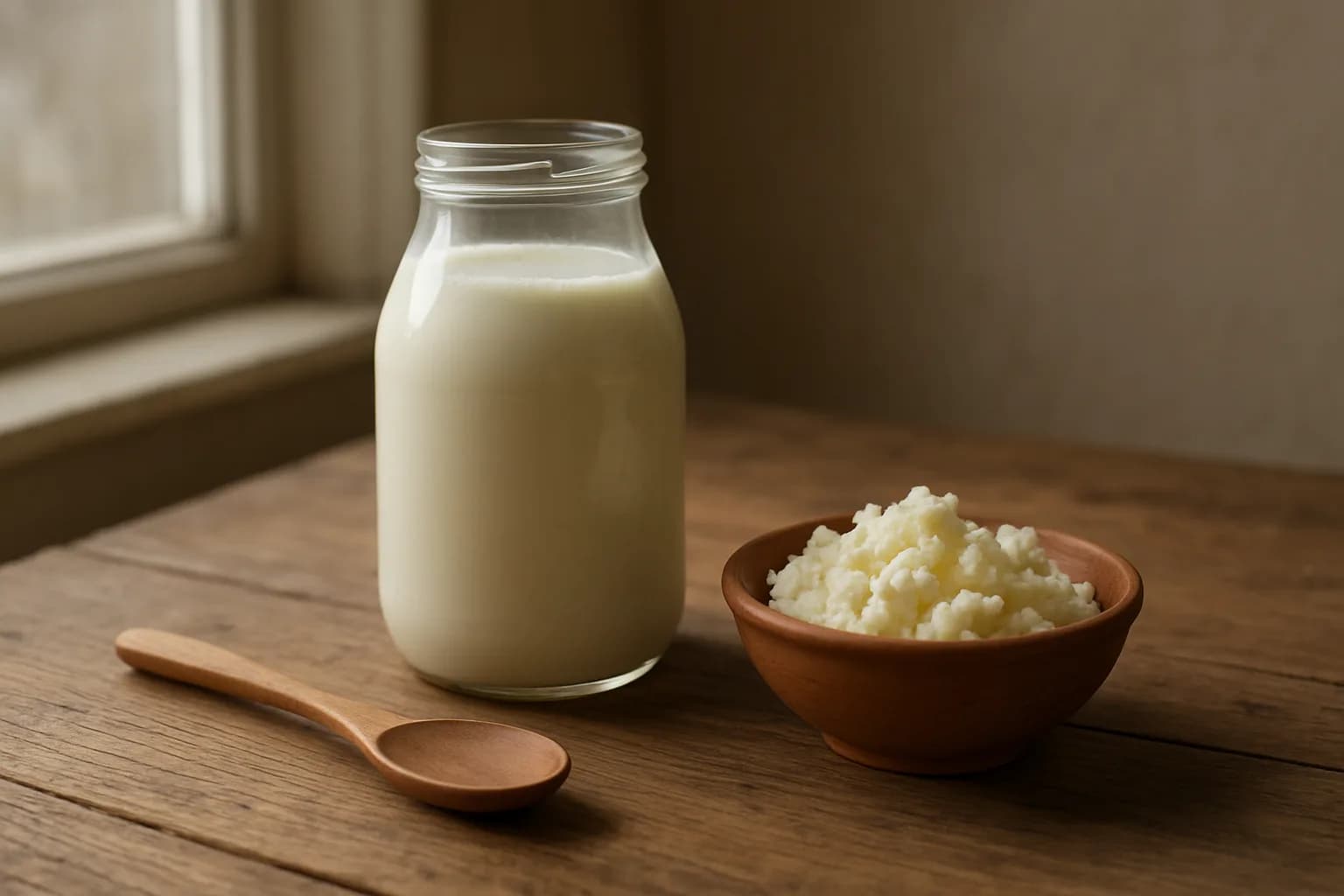
Choosing the right kefir grains for making kefir at home means deciding between milk and water kefir, considering your taste preferences, and thinking about convenience. Milk kefir grains and water kefir grains each offer a different experience, and your choice shapes your homemade kefir tradition.
Key takeaways
- Milk kefir grains and water kefir grains are not interchangeable and produce different drinks.
- Fresh and dehydrated kefir grains each have unique advantages for home use.
- Quality starter grains should be plump, clean, and active for best results.
- Consider your kitchen routine, dietary preferences, and storage space when choosing kefir grains.
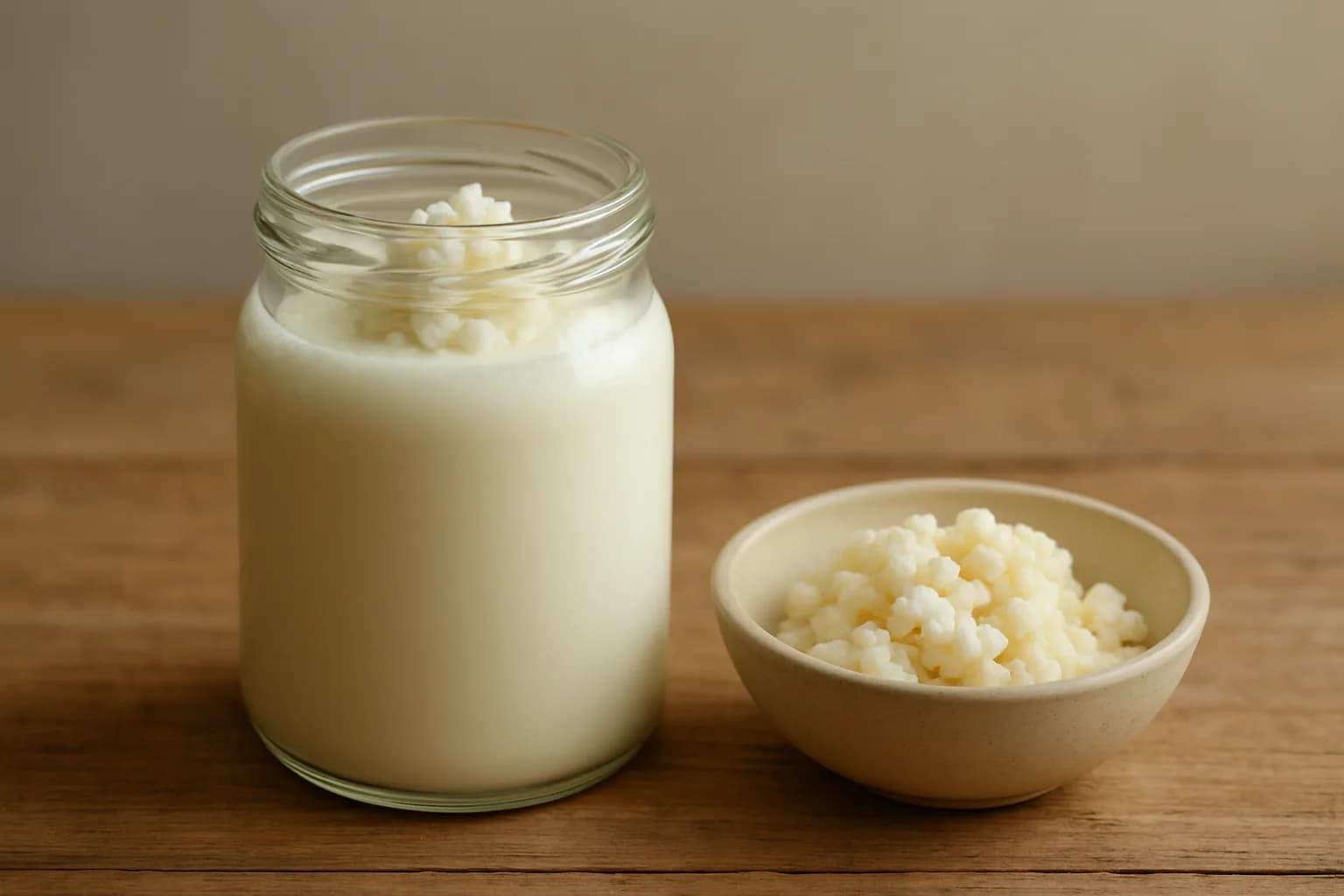
What is the difference between milk kefir grains and water kefir grains?
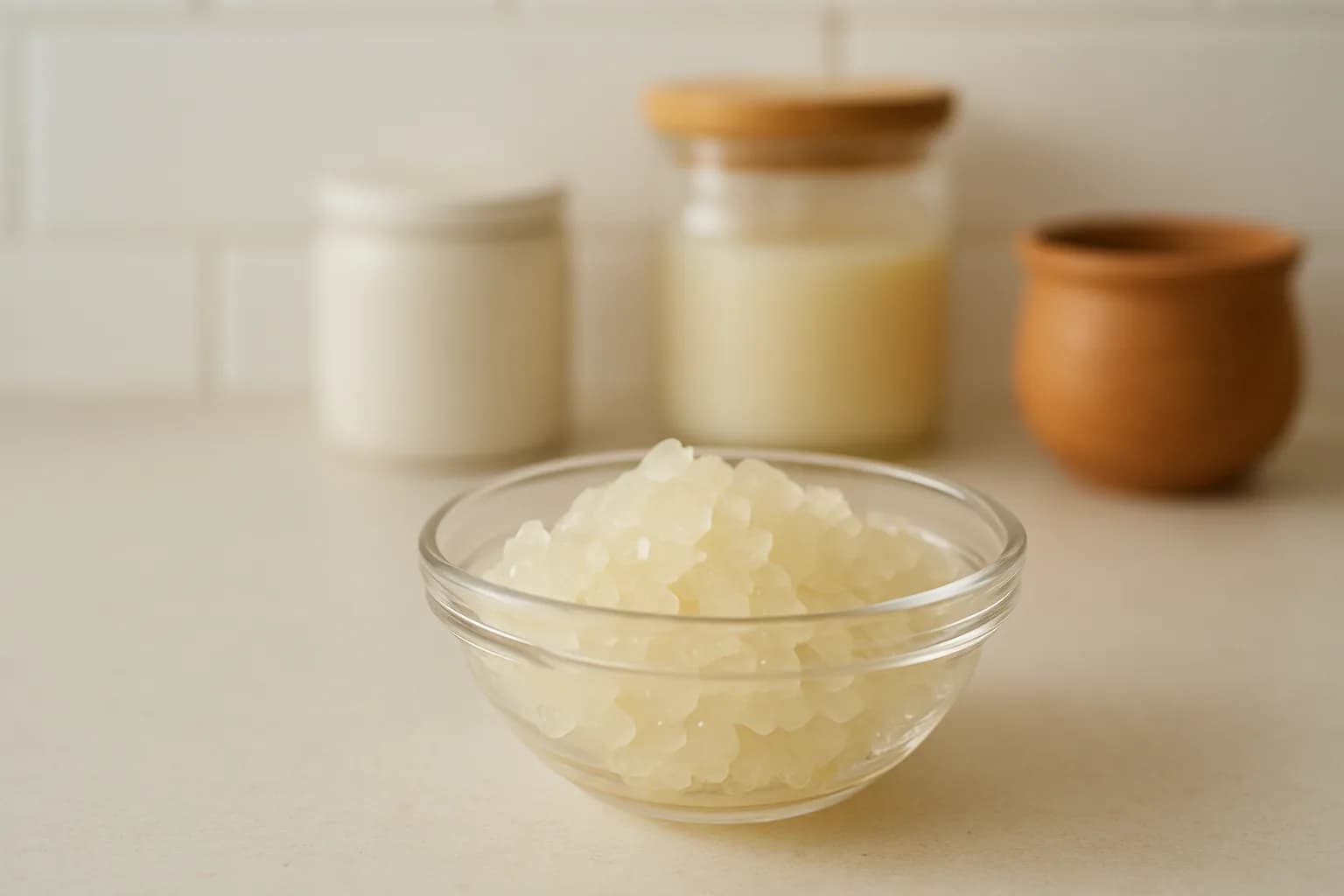
Milk kefir grains and water kefir grains are two distinct types of starter cultures. Milk kefir grains ferment dairy milk, creating a tart, creamy drink, while water kefir grains ferment sugar water or juice to make a lighter, slightly sweet beverage. Milk kefir grains look like small cauliflower florets and need lactose from milk to thrive. Water kefir grains resemble translucent crystals and require sugar to grow. Decide which type of kefir suits your taste, dietary needs, and kitchen habits before choosing grains for your home kefir.
How do you choose between fresh and dehydrated kefir grains?
Fresh kefir grains are ready to use immediately, offering a quick start to your kefir-making journey. Dehydrated kefir grains are easier to store and ship, but they take a few days to reactivate. If you want to start making kefir right away and can receive a parcel quickly, fresh grains are convenient. If you plan ahead or live far from suppliers, dehydrated grains provide flexibility. Both types can produce excellent kefir once active and well cared for.
What should you look for in quality kefir grains?
High-quality kefir grains are plump, clean, and slightly springy. Milk kefir grains should be white to creamy yellow, while water kefir grains are clear to light brown. Avoid grains that look dry, discolored, or have an off smell. Reliable sources provide instructions for care and clear information about the origin. Inspect the grains when they arrive and follow the recommended activation process for best results.
Tip: Always start with a small batch to observe how your new kefir grains behave in your kitchen environment.
Who is homemade kefir for, and what should you consider before starting?
Homemade kefir is for anyone interested in fermented drinks, from those seeking new flavors to people wanting a hands-on kitchen project. Consider your dietary needs—milk kefir for dairy lovers or water kefir for a dairy-free option. Think about your kitchen routine, the space available for fermentation, and how much time you can dedicate to caring for the grains. Homemade kefir can be a thoughtful, practical holiday gift, especially during the winter season when home projects feel rewarding.
Frequently asked questions
Can you use milk kefir grains to make water kefir, or vice versa?
No, milk kefir grains and water kefir grains are not interchangeable. Each thrives in its specific medium and will not ferment properly if swapped.
How long do kefir grains last at home?
With proper care and regular feeding, kefir grains can last indefinitely. Store them in fresh milk or sugar water, depending on the type, and avoid long periods without feeding.
What is the best container for fermenting kefir at home?
Use clean glass jars for fermenting kefir at home. Glass is non-reactive and easy to sterilize, helping maintain a healthy fermentation environment.
How quickly can you make kefir with new grains?
Fresh kefir grains usually start fermenting within 24–48 hours. Dehydrated grains may need several days to reactivate before producing drinkable kefir.
Do homemade kefir grains require special care in winter?
Kefir grains may ferment more slowly in cooler kitchens during winter. Keep them in a warm spot away from direct heat sources for consistent results. Anyone with health concerns should consult a doctor or pharmacist before making dietary changes.