Recipes & guides · Bulgarian yogurt, tradition · 4 min read
How to Make Traditional Bulgarian Yogurt at Home: History and Method
Learn how to make traditional Bulgarian yogurt at home, exploring its rich history, cultural significance, and essential tips for winter and holiday enjoyment.
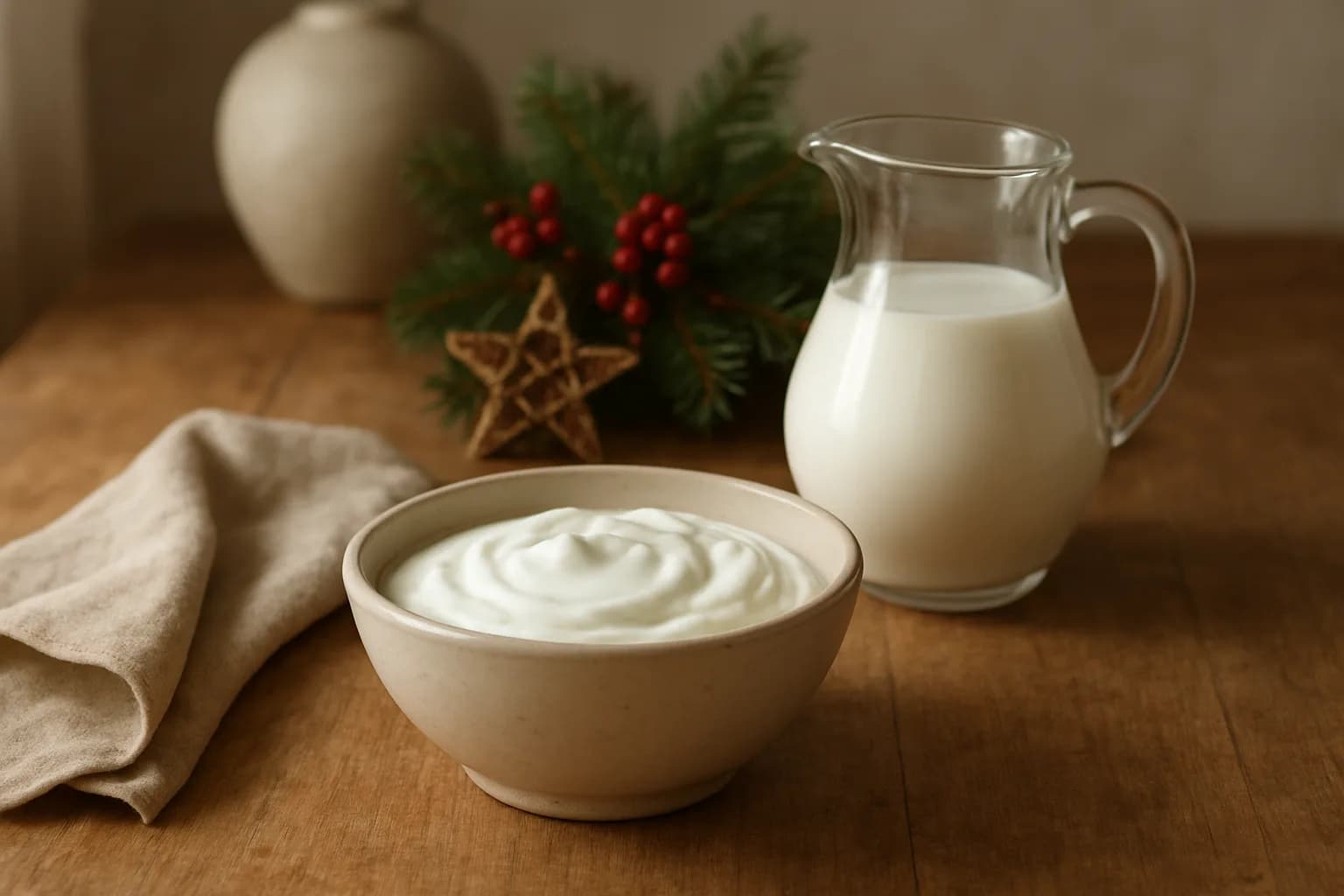
Traditional Bulgarian yogurt is made by fermenting milk with specific live cultures, following a process that has been handed down for generations in Bulgaria. The history and tradition of Bulgarian yogurt are deeply rooted in the region’s rural life, and making it at home connects you to a centuries-old practice. Especially during the winter holidays, preparing authentic Bulgarian yogurt can bring warmth and a sense of heritage to your table.
Key takeaways
- Traditional Bulgarian yogurt uses only milk and live starter cultures, following centuries-old methods.
- The unique combination of Lactobacillus bulgaricus and Streptococcus thermophilus creates the signature tangy flavor and creamy texture.
- Homemade Bulgarian yogurt is a meaningful addition to winter and holiday meals, connecting you to Bulgarian cultural traditions.
- Consistent temperature and clean equipment are essential for successful homemade yogurt.
How do you make traditional Bulgarian yogurt at home?
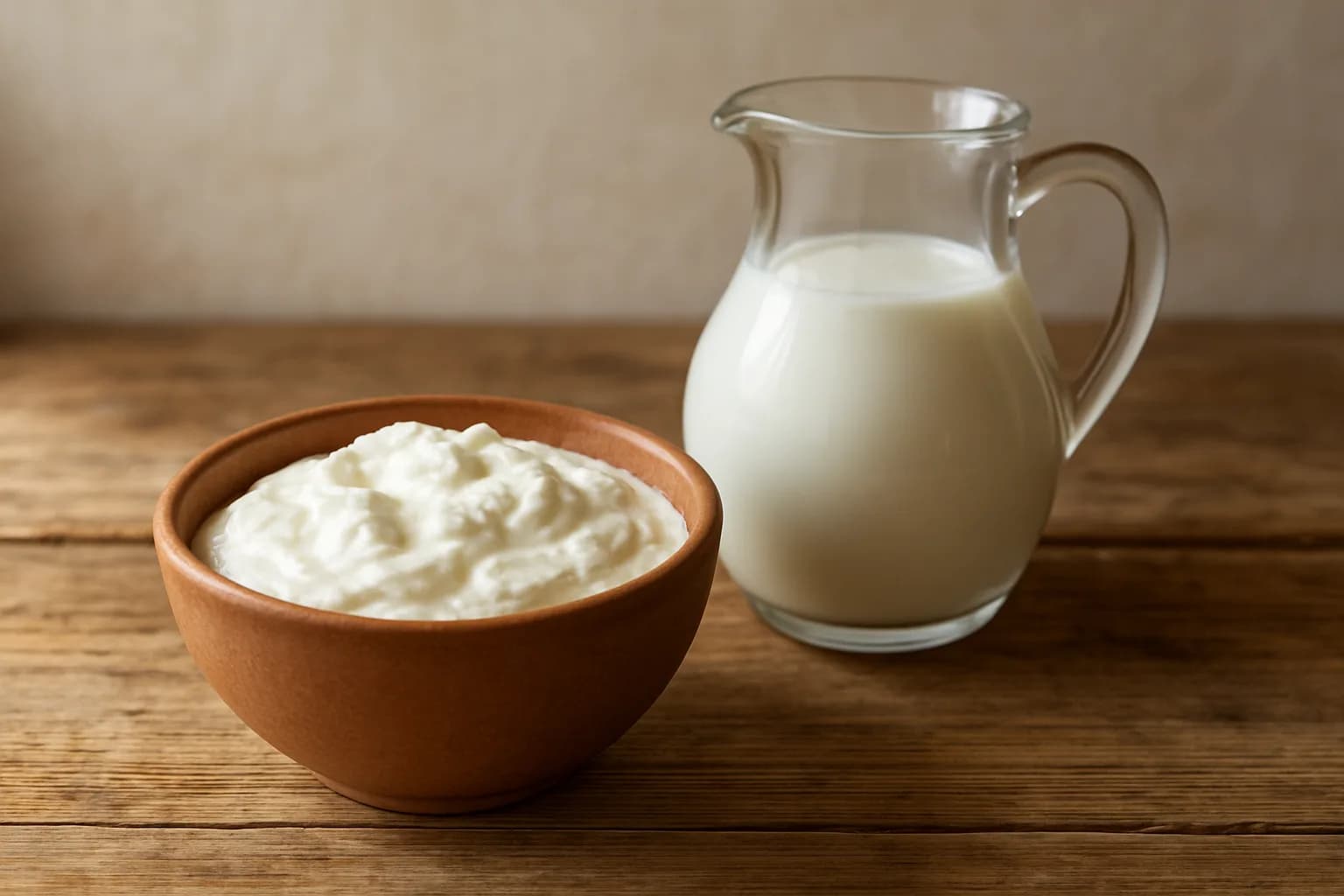
You make traditional Bulgarian yogurt at home by fermenting milk with a Bulgarian starter culture at a stable warm temperature for several hours. Start by heating fresh milk to just below boiling and letting it cool to a warm, comfortable touch. Mix in a small amount of Bulgarian yogurt starter or a spoonful of existing Bulgarian yogurt. Pour the mixture into clean containers, then keep it warm—using a yogurt maker, oven with the light on, or wrapped in towels—for around 6–8 hours. When the yogurt sets, refrigerate it to stop fermentation. This process preserves the signature taste and texture, especially suited for cozy winter gatherings.
What makes the history and tradition of Bulgarian yogurt unique?
The history and tradition of Bulgarian yogurt stand out due to the unique live cultures native to Bulgaria and the centuries-old methods of preparation. Bulgarian yogurt is one of the oldest fermented dairy foods, often made in rural homes with fresh local milk and passed down through families. The use of Lactobacillus bulgaricus, first identified in Bulgaria, gives the yogurt its characteristic tang and creamy texture. During winter, yogurt-making was a communal activity and an important part of the holiday table, symbolizing abundance and hospitality.
What is the role of Bulgarian yogurt in holiday and winter traditions?
Bulgarian yogurt is a staple in many winter and holiday traditions, valued for its versatility and connection to family gatherings. Homemade yogurt often appears alongside hearty winter dishes, baked goods, and festive spreads. Preparing yogurt during the colder months is a way to share time with loved ones, as the slow fermentation process naturally fits into the winter pace. Yogurt is also a common ingredient in festive Bulgarian recipes, enhancing both everyday and special-occasion meals.
Tip: Use thick, homemade Bulgarian yogurt as a base for winter dips or holiday desserts—its tangy flavor adds depth to both sweet and savory dishes.
How do you choose the right milk and starter culture for Bulgarian yogurt?
Choose high-quality fresh milk and an authentic Bulgarian starter culture to achieve the traditional flavor and texture. Whole milk is preferred for a creamier result, but low-fat milk can also be used. The starter culture should contain both Lactobacillus bulgaricus and Streptococcus thermophilus, as these bacteria are essential for Bulgarian yogurt’s unique taste. Look for cultures labeled specifically for Bulgarian yogurt or use a small amount of already-made Bulgarian yogurt as a starter. Cleanliness and milk freshness are key to consistent results.
Frequently asked questions
Can I use any yogurt as a starter for Bulgarian yogurt?
Not all yogurts contain the necessary live cultures—Lactobacillus bulgaricus and Streptococcus thermophilus—needed for authentic Bulgarian yogurt. Use a yogurt labeled as Bulgarian or a dedicated starter culture for best results.
How do I keep the temperature consistent when making yogurt at home?
Maintain a stable warm environment (around the warmth of a hand) for fermentation. You can use a yogurt maker, warm oven, or wrap containers in towels. Keeping the temperature steady helps the cultures work effectively.
How long does homemade Bulgarian yogurt last in the fridge?
Homemade Bulgarian yogurt usually stays fresh for several days to a week when stored in a clean, closed container in the refrigerator. For the best flavor and texture, enjoy it within a few days.
Why is my homemade yogurt runny or sour?
Inconsistent temperature, old starter culture, or insufficient fermentation time can affect yogurt texture and taste. Use fresh ingredients, keep temperatures steady, and allow enough time for the cultures to work.
Can I use plant-based milk to make Bulgarian yogurt?
Traditional Bulgarian yogurt is made with dairy milk, as the specific live cultures require lactose to ferment properly. Some plant-based alternatives may work with special starters, but the result will differ from classic Bulgarian yogurt.
If you have health concerns or dietary restrictions, consult a doctor or pharmacist before making changes to your diet.