Recipes & guides · storage and care · 4 min read
How to Store Homemade Bulgarian Yogurt: Tips for Freshness and Tradition
Homemade Bulgarian yogurt stays freshest when stored in clean glass containers in the refrigerator. Learn how to preserve taste, texture, and culture activity for delicious yogurt all winter.
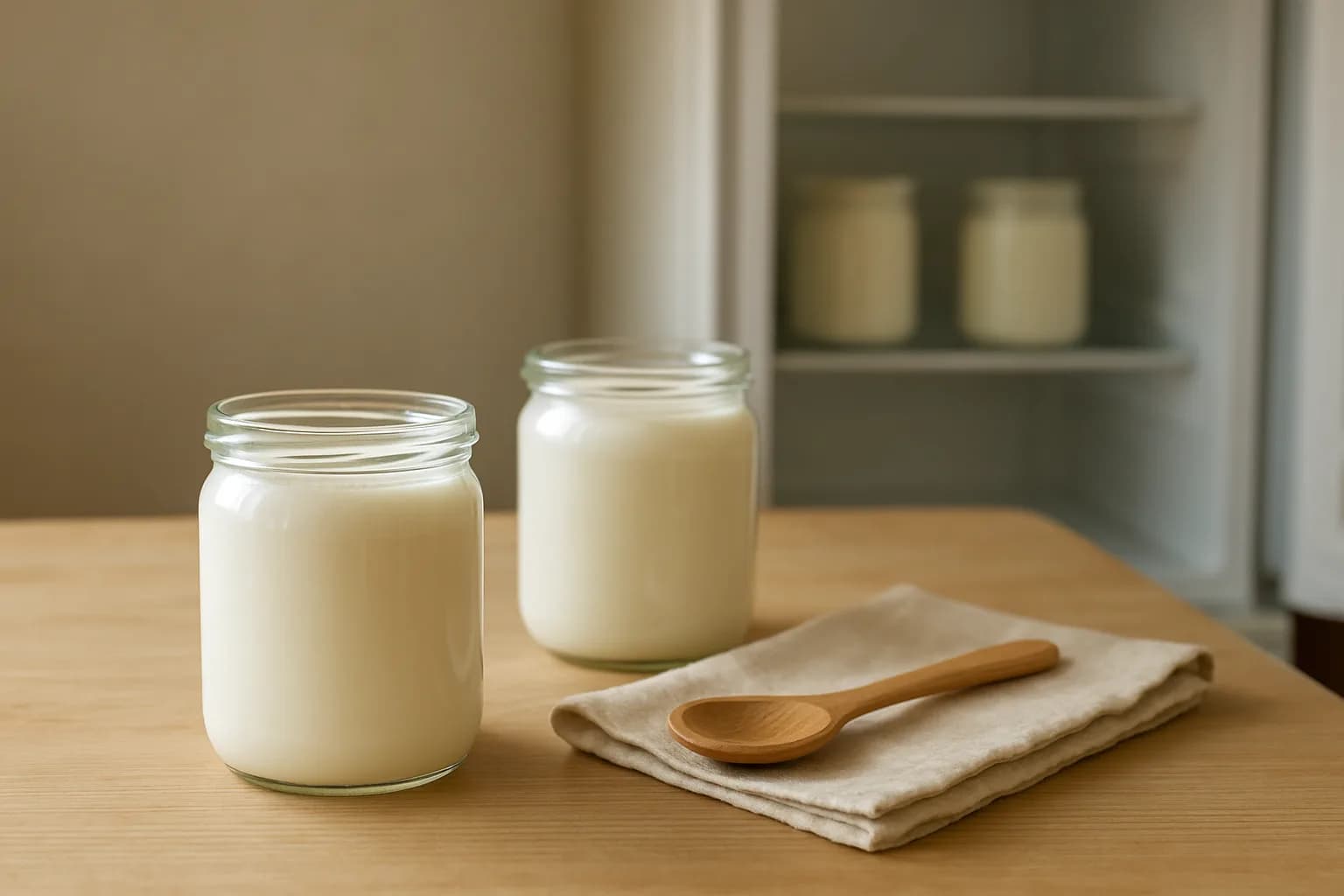
Homemade Bulgarian yogurt keeps its signature flavor and creamy texture best when stored in clean, airtight containers in the refrigerator. The right storage helps preserve the live cultures and traditional qualities of your yogurt, especially during the winter and holiday season.
Key takeaways
- Store homemade Bulgarian yogurt in clean glass or food-safe plastic containers with tight lids.
- Refrigeration at 4°C (39°F) or lower keeps yogurt fresh and maintains live cultures.
- Avoid repeated temperature changes to preserve yogurt texture and prevent whey separation.
- Homemade yogurt is best consumed within 7–10 days for optimal taste and culture activity.
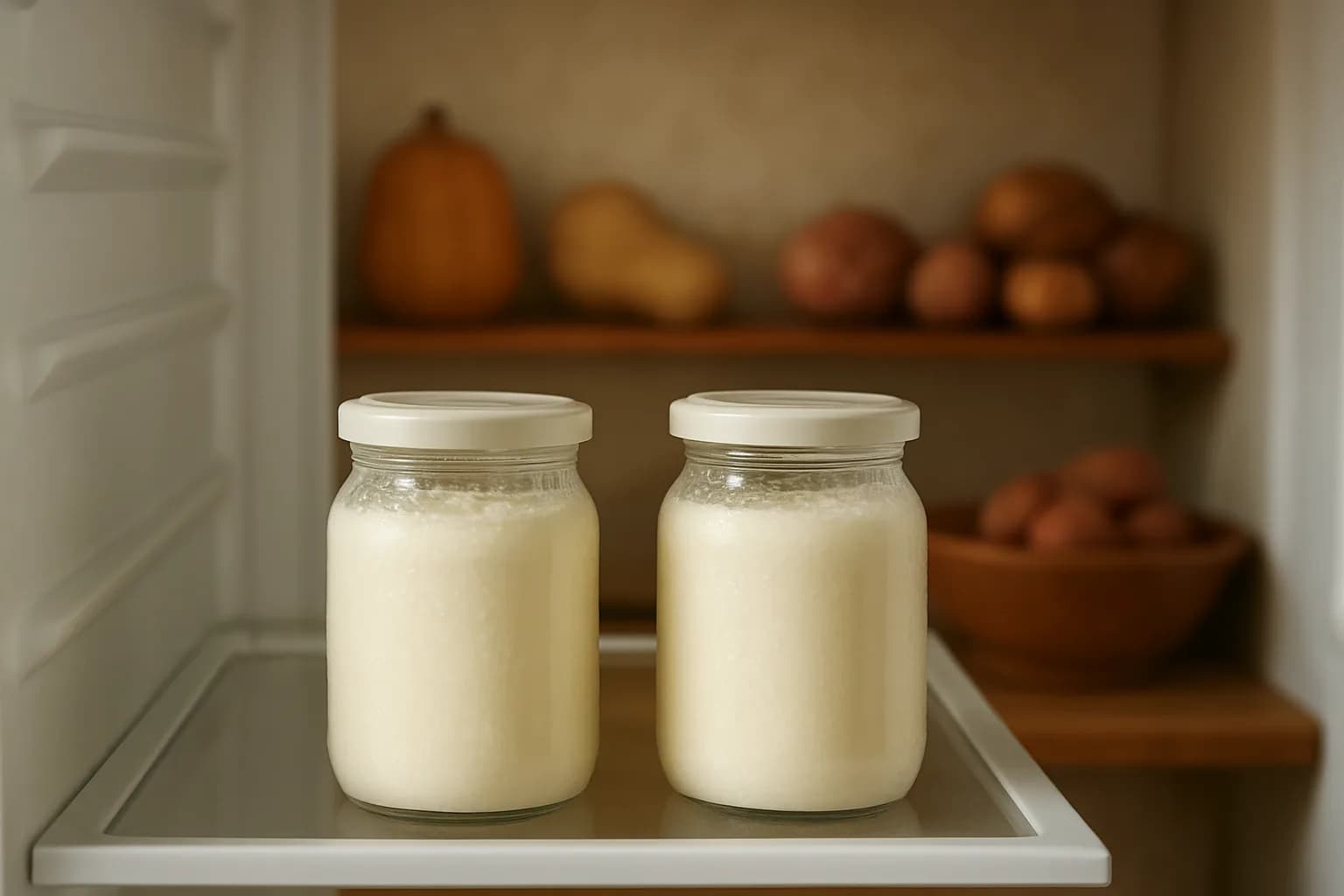
How do you store homemade Bulgarian yogurt?
To store homemade Bulgarian yogurt, transfer it to clean, airtight containers—preferably glass jars or BPA-free plastic tubs—right after fermentation. Allow the yogurt to cool to room temperature before sealing and refrigerating. Cleanliness prevents contamination and ensures longer freshness. Always use a clean spoon to serve yogurt from the container, and avoid putting unused yogurt back into the main storage jar.
What type of container is best for storing homemade Bulgarian yogurt?
Glass jars with tight-fitting lids are preferred for storing homemade Bulgarian yogurt, as they do not react with the yogurt or absorb odors. Food-grade plastic containers are a practical option as well, but choose BPA-free variants to avoid unwanted chemical leaching. Avoid metal containers, as acids in yogurt can react with metal and affect flavor. Label your containers with the date of preparation to help track freshness.
Tip: Leave a small air gap at the top of the jar to allow for minor expansion as the yogurt settles in the refrigerator.
How long does homemade Bulgarian yogurt stay fresh in the fridge?
Homemade Bulgarian yogurt generally stays fresh for 7–10 days when stored correctly in the refrigerator. Over time, the taste may become tangier, and some whey separation is normal. Stirring the yogurt gently can reincorporate the whey, or you can pour it off for a thicker consistency. If you notice any off smells, unusual colors, or mold, discard the yogurt immediately.

What are the signs that homemade Bulgarian yogurt is no longer good?
Signs that homemade Bulgarian yogurt is no longer good include a sour or off odor, visible mold, or a pink, green, or blue discoloration. While some separation of whey is normal, excessive separation or a curdled texture may indicate spoilage. Always use your senses—if anything seems off, it is safest not to eat the yogurt.
Can you use homemade Bulgarian yogurt as a starter for the next batch?
Yes, you can use a few tablespoons of your homemade Bulgarian yogurt as a starter for the next batch, ideally within a week of making it. The fresher the yogurt, the more active the live cultures will be, leading to better fermentation. If the yogurt has been stored for more than 10 days, or has been contaminated, use a new starter culture for best results.
Frequently asked questions
How long can homemade Bulgarian yogurt be kept outside the fridge?
Homemade Bulgarian yogurt should not be left at room temperature for more than two hours to avoid spoilage. Always refrigerate promptly after cooling, especially during the holidays when kitchens are busy and temperatures can vary.
Can you freeze homemade Bulgarian yogurt?
You can freeze homemade Bulgarian yogurt, but freezing may change the texture, making it more grainy after thawing. The live cultures may survive but will be less active, so frozen yogurt is best used in smoothies or cooking rather than as a starter.
Why does homemade yogurt sometimes separate in the fridge?
Homemade Bulgarian yogurt may separate into solid and liquid (whey) components, especially if the milk was not cooled quickly or if the yogurt is stored too long. Separation is natural and can be stirred back in or drained for thicker yogurt.
How do you prevent odors from affecting your homemade yogurt in the fridge?
Store homemade Bulgarian yogurt in airtight containers and keep it away from strong-smelling foods. Glass jars are less likely to absorb odors than plastic, helping maintain the yogurt's traditional taste.
Is homemade Bulgarian yogurt safe for everyone to eat?
Homemade Bulgarian yogurt made with pasteurized milk and clean equipment is generally safe for most people. Anyone with allergies or specific health concerns should consult a doctor or pharmacist before consuming homemade fermented foods.