Recipes & guides · starter cultures · 4 min read
How to Choose the Best Starter Culture for Making Bulgarian Yogurt at Home
Choosing the right starter culture is the key to making authentic Bulgarian yogurt at home. Learn the differences, options, and tips to get the perfect homemade yogurt every time.
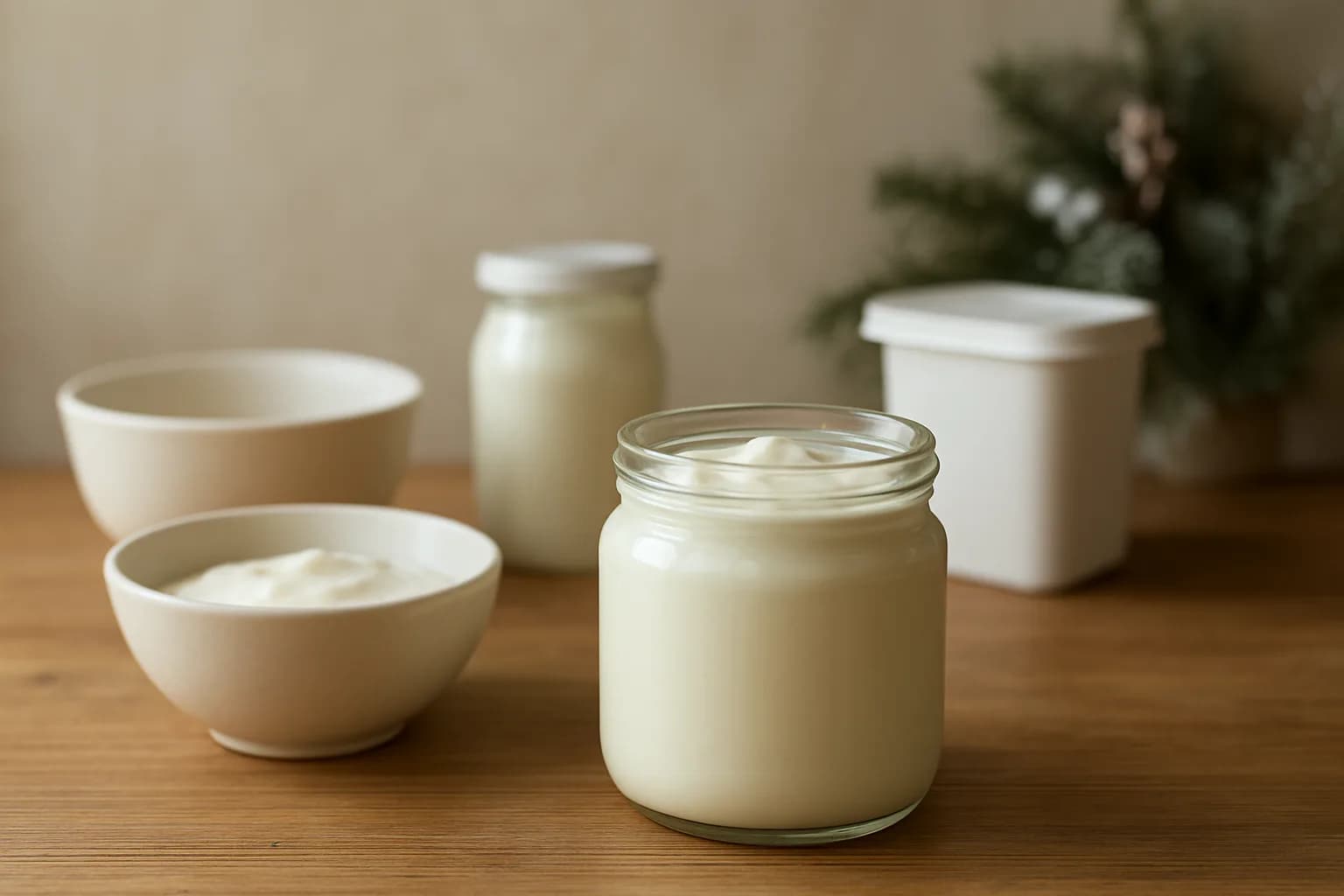
Selecting the best starter culture is the most important step in making authentic Bulgarian yogurt at home. The starter culture determines the yogurt’s flavor, texture, and health benefits, so choosing the right one is essential for a successful homemade batch.
Key takeaways
- The starter culture is the most important ingredient in homemade Bulgarian yogurt.
- Traditional Bulgarian yogurt requires specific strains: Lactobacillus bulgaricus and Streptococcus thermophilus.
- Choose between freeze-dried, fresh, or reusable cultures depending on your needs and preferences.
- Storage and handling of the starter culture directly affect yogurt quality and consistency.
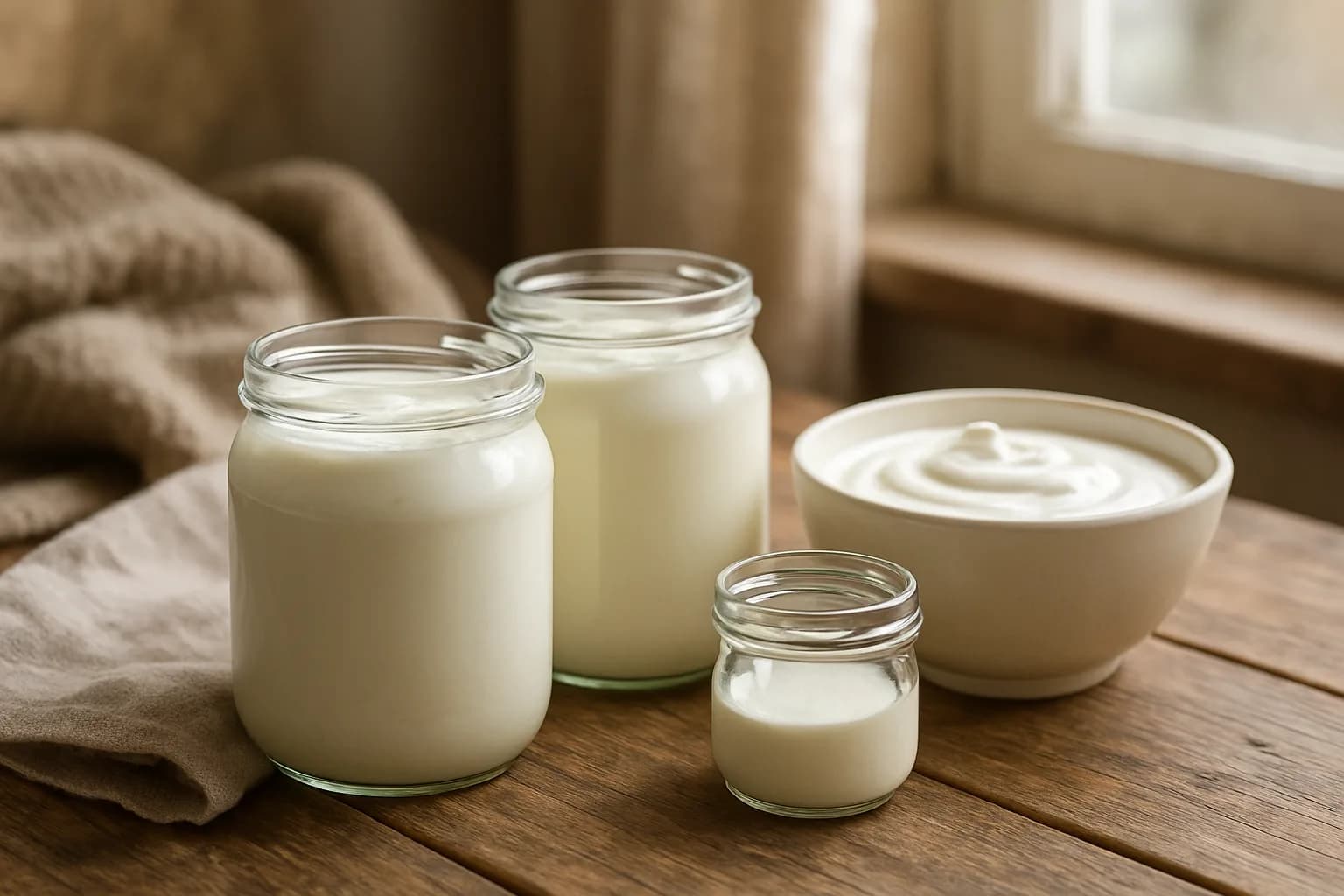
What makes a good starter culture for making Bulgarian yogurt at home?
A good starter culture for making Bulgarian yogurt at home contains live and active strains of Lactobacillus bulgaricus and Streptococcus thermophilus. These two bacteria are responsible for the classic taste and thick, creamy texture unique to Bulgarian yogurt. Quality starter cultures are free from additives, fillers, and unnecessary ingredients. When selecting a starter, look for a product specifically labeled for Bulgarian yogurt, as generic yogurt starters may contain different cultures that change the flavor or consistency. Opt for a starter with a clear use-by date and instructions for proper storage, as freshness is key to robust fermentation.
What are the types of starter cultures for Bulgarian yogurt?
There are three main types of starter cultures for making Bulgarian yogurt at home: freeze-dried (powdered), fresh (liquid or paste), and reusable (from a previous batch). Freeze-dried cultures are convenient, shelf-stable, and easy to measure, making them ideal for beginners or occasional yogurt makers. Fresh starters deliver a more traditional flavor but require refrigeration and have a shorter shelf life. Reusable starters involve reserving a spoonful from a previous homemade batch, which is cost-effective but can lead to flavor drift over time. Each type offers different advantages and is suited to different lifestyles and preferences.
How do you store and handle starter cultures at home?
Starter cultures for Bulgarian yogurt must be stored and handled with care to maintain their viability. Freeze-dried cultures should be kept in a cool, dry place or in the refrigerator after opening. Fresh cultures always need refrigeration and should be used before their expiration date. Reusable starters should be transferred from freshly made yogurt as soon as it sets, and kept refrigerated until used within a week. Always use clean utensils to avoid introducing unwanted bacteria. Proper storage preserves the strength of the cultures and ensures consistent results batch after batch.
Tip: If you make yogurt regularly during the winter holidays, keep a backup packet of freeze-dried starter culture on hand in case your reusable starter loses potency.
How do you choose the right starter culture for your needs?
Choosing the right starter culture for making Bulgarian yogurt at home depends on your schedule, taste preferences, and how often you make yogurt. If you want authentic, tangy flavor and traditional texture, select a culture clearly marked for Bulgarian yogurt. For convenience, freeze-dried starters are easy to store and measure. If you value tradition and make yogurt often, fresh or reusable starters may suit you better. Always check for live and active cultures on the label, and avoid products with unnecessary additives. Consider starting with single-use packets if you are new to yogurt making, then experiment with reusable cultures as you gain experience.
Frequently asked questions
Can I use store-bought yogurt as a starter for Bulgarian yogurt?
You can use plain store-bought yogurt as a starter, but for true Bulgarian yogurt, the product should contain only Lactobacillus bulgaricus and Streptococcus thermophilus. Many commercial yogurts include other strains, which may affect the flavor and texture.
How long does a freeze-dried starter culture last?
Unopened freeze-dried starter cultures can last several months to over a year when stored in a cool, dry place. Once opened, keep the package tightly sealed in the refrigerator and use it within a few weeks for best results.
Is making Bulgarian yogurt at home suitable for beginners?
Making Bulgarian yogurt at home is a simple process, especially with freeze-dried starter cultures. Beginners can follow basic instructions and gradually experiment with different types of starters as they gain confidence.
How many times can I reuse homemade yogurt as a starter?
Homemade yogurt can typically be reused as a starter for three to five batches before the cultures weaken or flavors change. After that, it’s best to start again with a fresh starter culture.
What should I do if my homemade yogurt does not set properly?
If your yogurt does not set, possible causes include expired or weak starter culture, improper temperature, or contaminated equipment. Always use fresh, live starter and maintain a consistent incubation temperature. Consult a doctor or pharmacist if you have health concerns.