Recipes & guides · Lactobacillus bulgaricus · 4 min read
What Is Special About Lactobacillus bulgaricus in Homemade Yogurt?
Lactobacillus bulgaricus is essential for authentic homemade Bulgarian yogurt, giving it its classic taste, thickness, and aroma. Learn how this unique bacteria shapes your yogurt and how to use it for the best results.
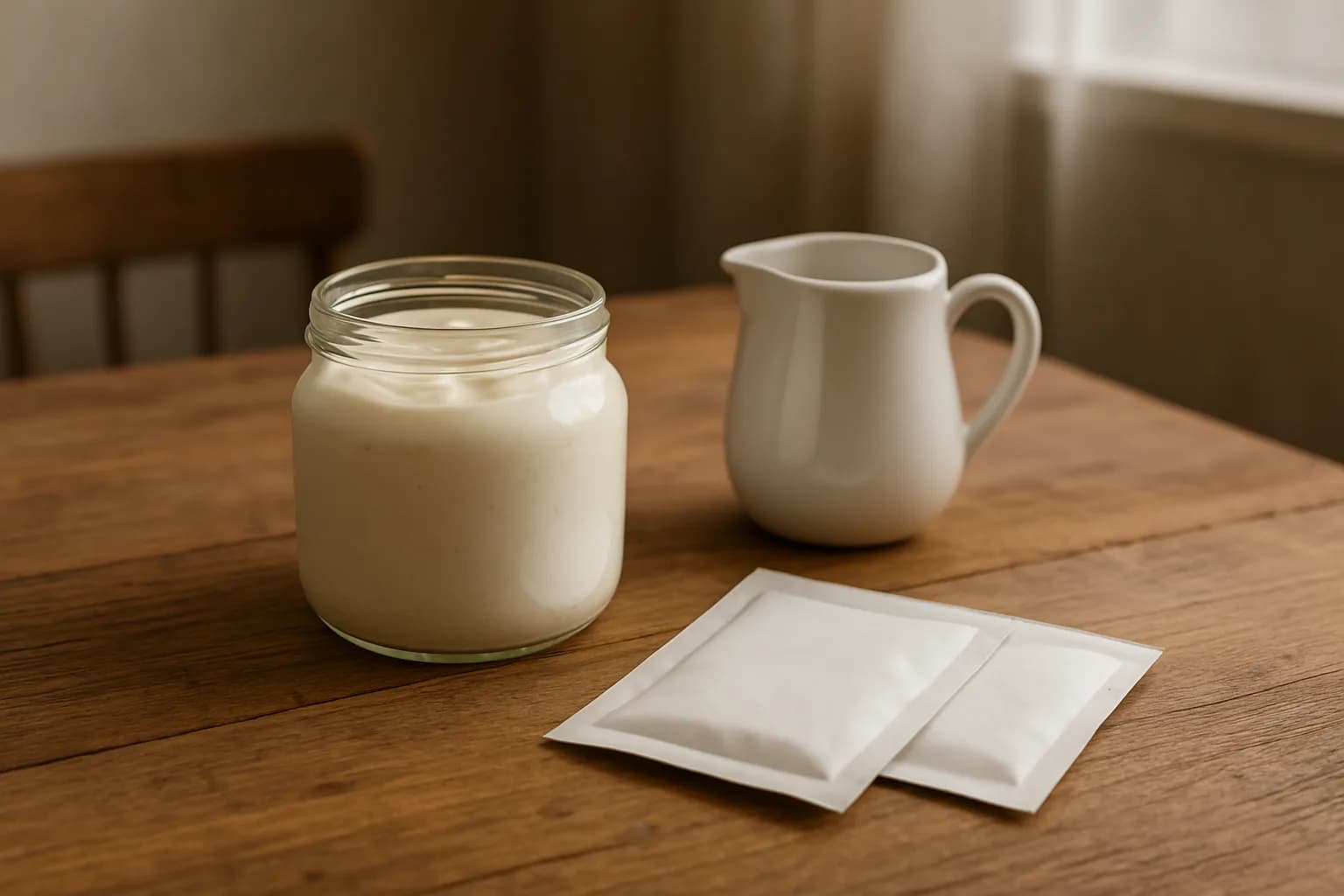
Lactobacillus bulgaricus is the key bacteria that defines authentic Bulgarian yogurt, contributing to its signature tang, creamy texture, and unique aroma. Using a starter culture with Lactobacillus bulgaricus makes homemade yogurt distinct from other varieties, and understanding its role helps you create the best results at home.
Key takeaways
- Lactobacillus bulgaricus is critical for producing traditional Bulgarian yogurt with its characteristic taste and texture.
- Choosing a starter culture rich in Lactobacillus bulgaricus ensures authentic results.
- The bacteria work best with fresh milk and the right fermentation temperatures.
- Using Lactobacillus bulgaricus at home is straightforward with a quality starter and simple equipment.
- Proper storage and care keep the culture active for multiple batches.
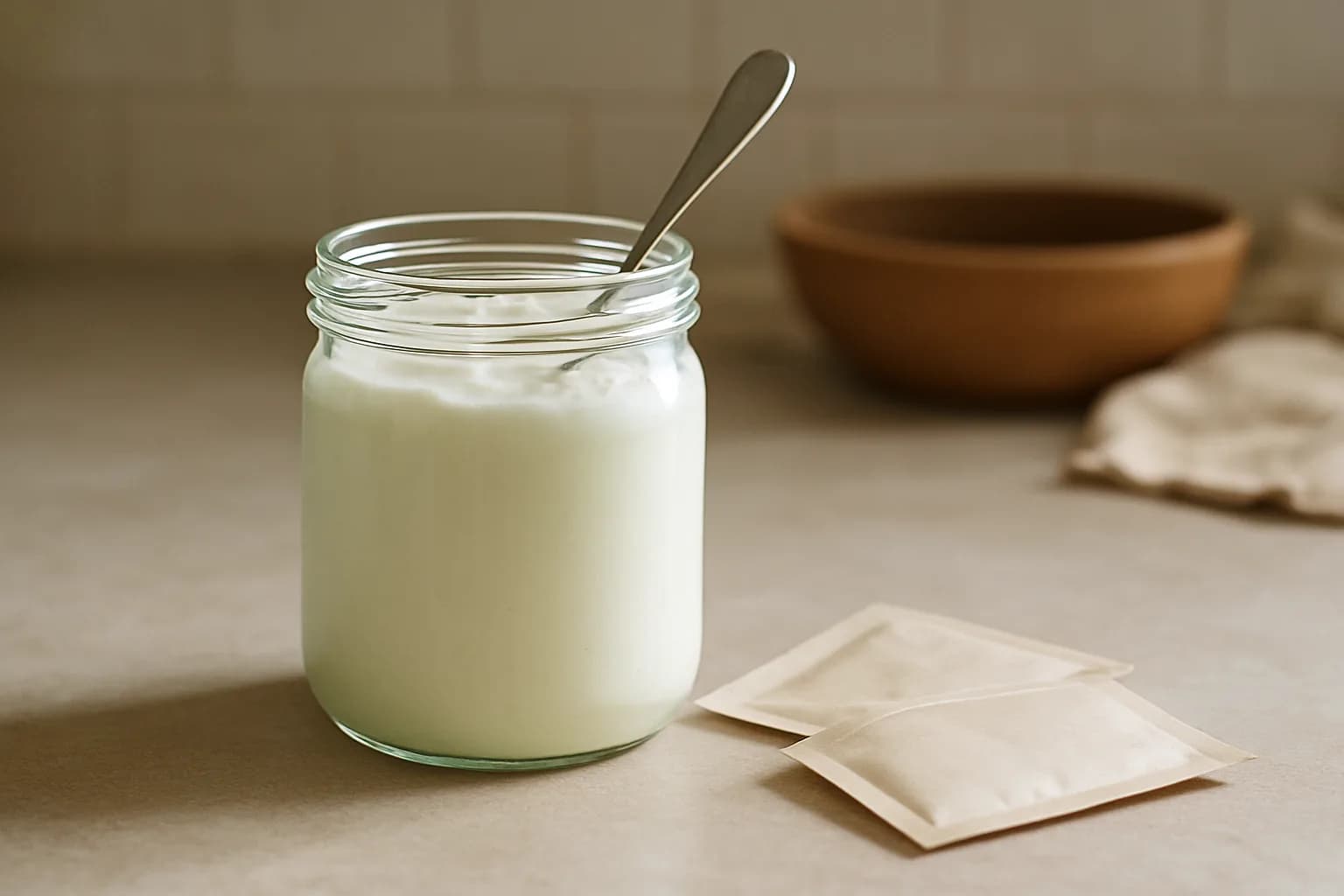
What is Lactobacillus bulgaricus and why is it important for yogurt?
Lactobacillus bulgaricus is a lactic acid bacteria species essential for making genuine Bulgarian yogurt. It ferments milk by converting lactose into lactic acid, which creates the yogurt’s tart flavor and thick consistency. When paired with Streptococcus thermophilus, Lactobacillus bulgaricus forms the classic yogurt starter combination. The presence of Lactobacillus bulgaricus is what sets Bulgarian yogurt apart from other yogurts, offering a more pronounced tang and denser texture that many people seek for both taste and traditional recipes.
How do you use Lactobacillus bulgaricus starter culture at home?
To use Lactobacillus bulgaricus starter culture at home, dissolve the starter in warm milk and incubate at the right temperature until the milk sets. Start by heating fresh milk to near boiling, then cool it to about body temperature. Stir in the Lactobacillus bulgaricus starter culture thoroughly, pour into clean containers, and incubate at around 42°C (107°F) for several hours. The bacteria will transform the milk into yogurt. Once set, refrigerate to stop fermentation and enjoy as plain yogurt, or use it in recipes.
Tip: For the holidays, prepare yogurt a day ahead for breakfast parfaits or as a base for dips.
What makes Lactobacillus bulgaricus yogurt different from other yogurts?
Yogurt made with Lactobacillus bulgaricus is tangier and thicker than yogurts fermented with other bacteria. The unique combination of Lactobacillus bulgaricus and Streptococcus thermophilus is responsible for Bulgarian yogurt’s firm set and vibrant taste. Other yogurts, such as Greek or regular plain yogurt, may use different strains or ratios of bacteria, resulting in milder flavor and variable thickness. If you want authentic Bulgarian yogurt for holiday dishes or breakfast, look for starter cultures that specifically list Lactobacillus bulgaricus.
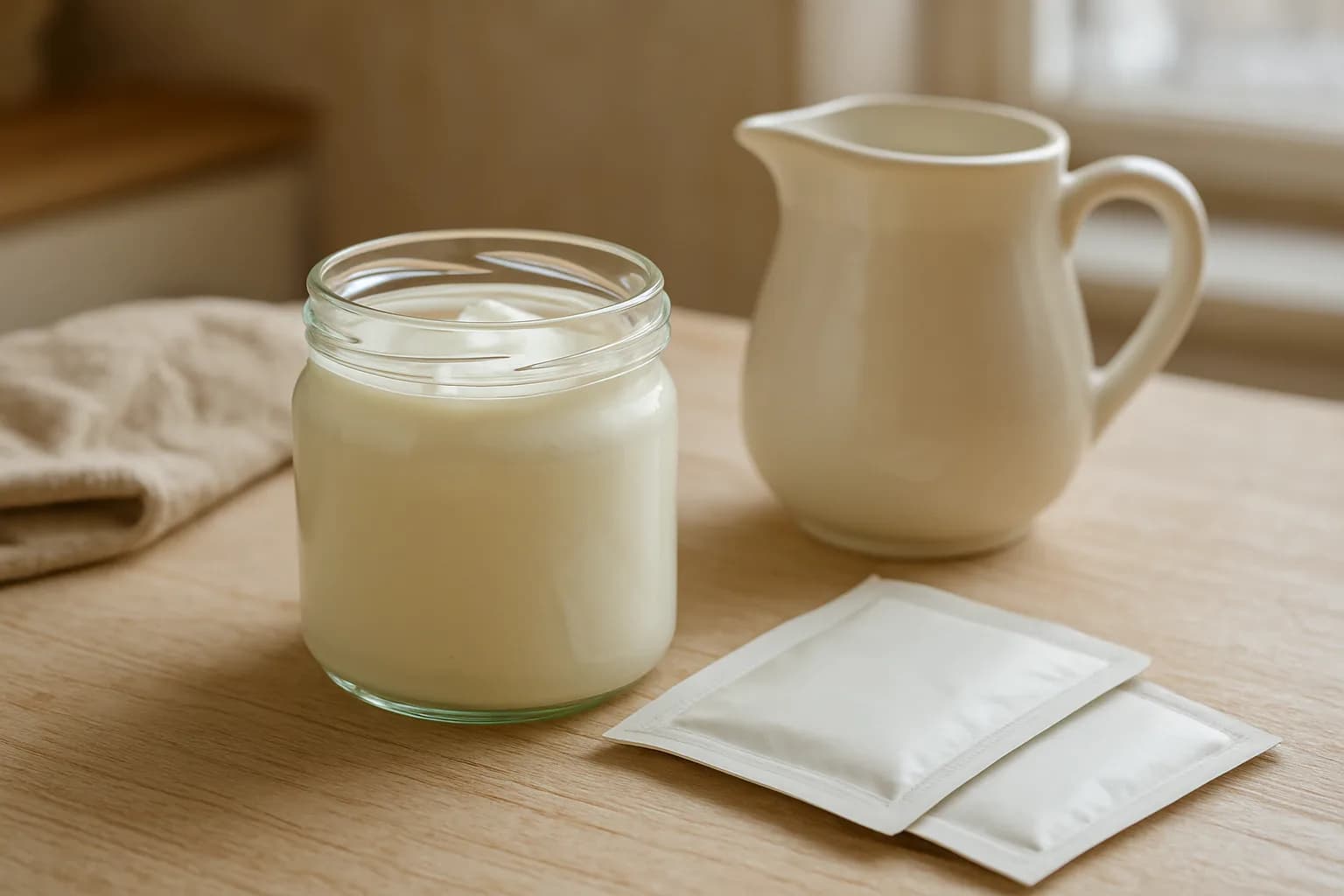
Who is Lactobacillus bulgaricus yogurt for?
Lactobacillus bulgaricus yogurt is ideal for anyone who enjoys tangy, traditional yogurt, values homemade food, or wants to use yogurt in diverse recipes. It is popular among people interested in fermented foods, Balkan cuisine, and those looking to incorporate more live cultures into their diet. During the winter and holidays, homemade Bulgarian yogurt can be a thoughtful gift or a wholesome addition to seasonal meals, enjoyed plain or as a base for dips, spreads, and desserts.
How can you ensure the best results with Lactobacillus bulgaricus at home?
To achieve the best results with Lactobacillus bulgaricus, use fresh, whole milk, a quality starter, and maintain the correct fermentation temperature. Clean containers and utensils prevent contamination, and precise incubation time ensures proper set and flavor development. After fermentation, refrigerate the yogurt promptly to preserve its taste and texture. If you plan to make yogurt regularly, save a small amount of your last batch as a starter for the next one. This way, you can maintain a continuous supply of authentic Bulgarian yogurt throughout the holiday season and beyond.
Frequently asked questions
Can you use Lactobacillus bulgaricus starter culture with plant-based milk?
Lactobacillus bulgaricus is specialized for cow’s, goat’s, or sheep’s milk, as it feeds on lactose. Some plant-based milks may work, but results are unpredictable and the culture may not thrive. For best results, use dairy milk.
How long does homemade yogurt with Lactobacillus bulgaricus last in the fridge?
Homemade yogurt made with Lactobacillus bulgaricus usually keeps for up to one week when stored in a clean, airtight container in the refrigerator. Always check for changes in texture or aroma before consuming.
Can you reuse homemade yogurt as a starter for the next batch?
Yes, you can use a few spoonfuls of your previous batch as a starter for a new batch of yogurt. Over several generations, the culture may weaken, so refresh with a new starter after a few rounds.
What if my yogurt does not set or is too runny?
If your yogurt is runny or does not set, the milk may have been too hot or cold, or the starter was not active. Try using a thermometer and fresh starter culture for consistent results.
Is Lactobacillus bulgaricus yogurt suitable for children and the elderly?
Lactobacillus bulgaricus yogurt is a traditional food enjoyed by people of all ages, but anyone with specific dietary concerns or health issues should consult a doctor or pharmacist before making changes to their diet.