Recipes & guides · yogurt makers, containers · 4 min read
How to Choose Yogurt Makers and Containers for Homemade Yogurt
Choosing the right yogurt maker and containers ensures consistent results and easier prep for homemade yogurt, especially during the winter holidays. Learn about key features, material differences, and care tips for yogurt equipment.
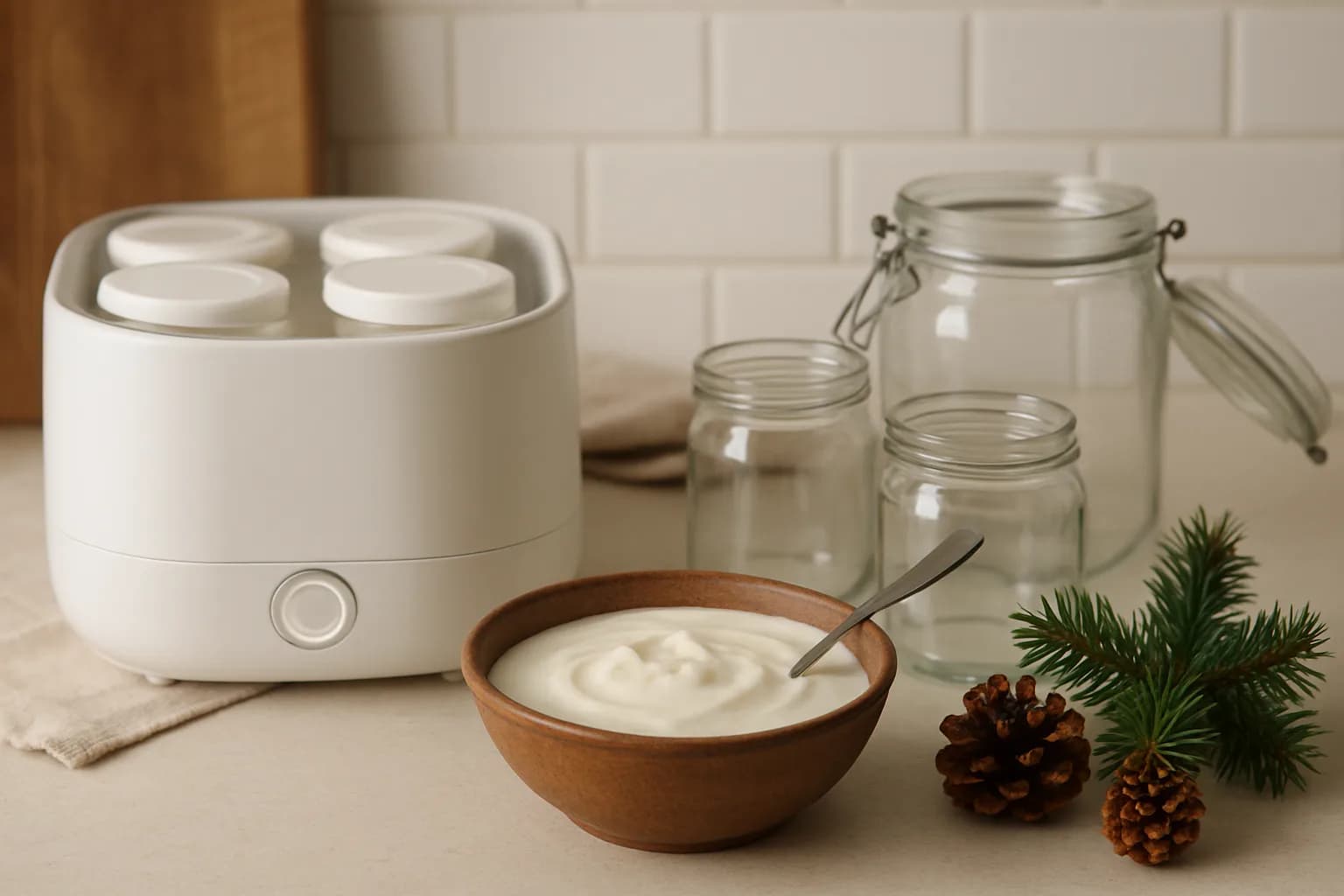
Making homemade yogurt is more reliable and convenient with the right yogurt maker and containers. Choosing yogurt makers and containers depends on your batch size, material preferences, and how you plan to store your yogurt, especially in colder months or for holiday gifting.
Key takeaways
- Yogurt makers automate the fermentation process, ensuring consistent temperature and results.
- Containers made of glass or food-grade plastic each have unique benefits for storage and serving.
- Batch size, ease of cleaning, and intended use help determine the best yogurt makers and containers for your kitchen.
- Proper care and storage of yogurt containers keep your homemade yogurt fresh and safe.
How do you choose a yogurt maker for home use?
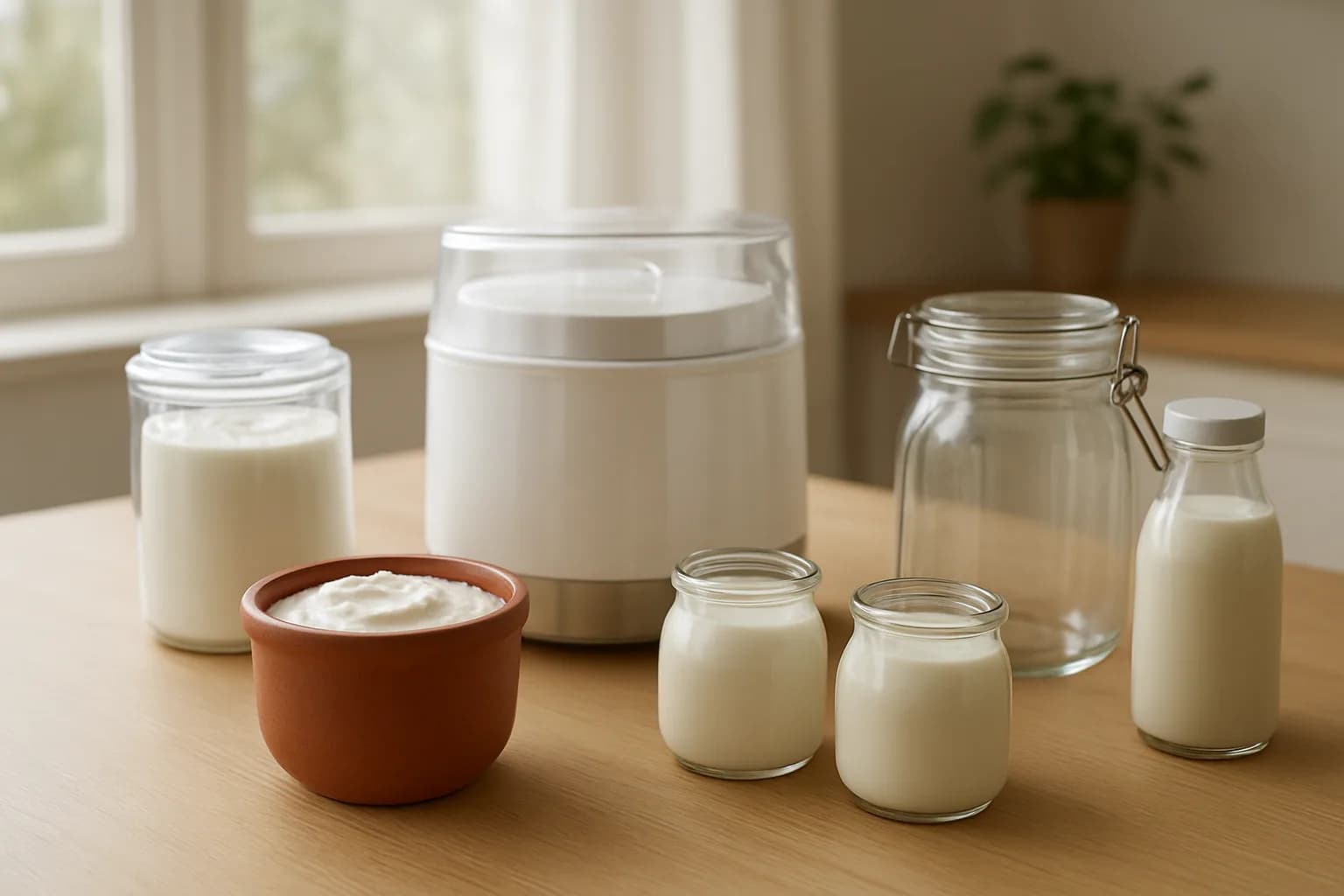
Choosing a yogurt maker for home use involves considering batch size, temperature control, and convenience. Electric yogurt makers maintain a steady temperature throughout the fermentation process, which is especially useful during winter when room temperatures fluctuate. Some yogurt makers offer single large containers, while others provide multiple small jars—helpful if you want to portion out servings or gift homemade yogurt during the holidays. Look for removable parts for easier cleaning and clear lids to monitor progress. Manual yogurt makers, which rely on insulation rather than electricity, can be a good fit for those who prefer a simple setup or want to reduce energy use.
What is the difference between glass and plastic yogurt containers?
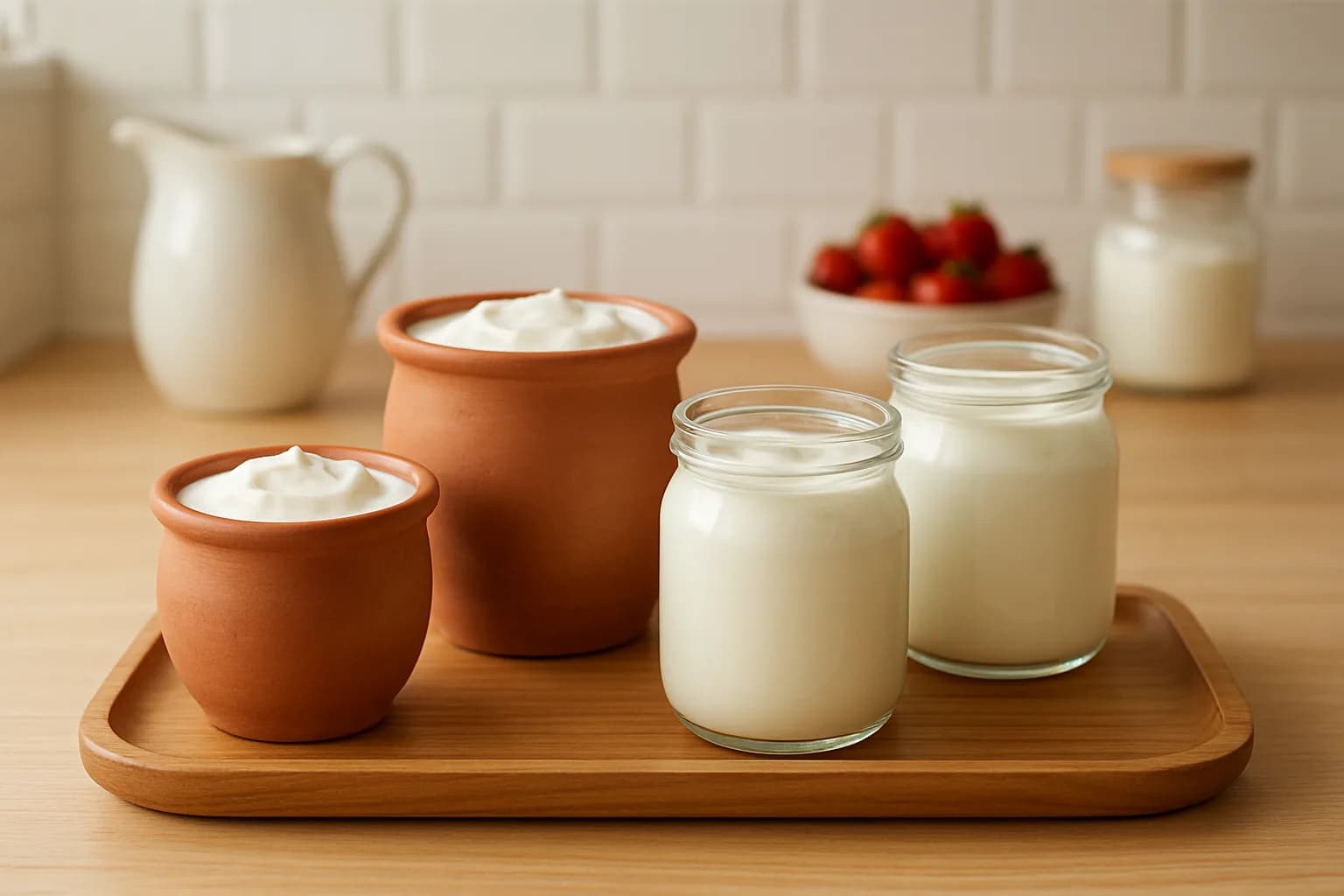
The main difference between glass and plastic yogurt containers is material durability, taste preservation, and ease of cleaning. Glass containers are non-porous, resistant to staining, and do not absorb flavors or odors from yogurt. They are also dishwasher-safe and often preferred for holiday gifting due to their attractive appearance. Food-grade plastic containers are lightweight, less likely to break, and typically come with secure lids for transport or storage. However, plastic may absorb odors over time and needs to be checked for scratches or wear, which can harbor residue. Both options are suitable for yogurt storage, but glass is generally favored for long-term use and presentation.
How do you use yogurt makers and containers for best results?
To use yogurt makers and containers for best results, start by sterilizing all equipment, then add milk and starter culture to the provided containers. Place the containers in the yogurt maker and set the required fermentation time, usually 8–12 hours depending on your recipe and room temperature. After fermentation, move the containers to the fridge to set the yogurt and stop the process. For gifting around the holidays, small individual containers are convenient and festive.
Tip: Let the yogurt cool completely in the containers before sealing them to avoid excess condensation and maintain texture.
How do you care for and store yogurt containers?
Proper care for yogurt containers includes washing them thoroughly with hot, soapy water or placing glass containers in the dishwasher. Always dry containers completely before reuse to prevent moisture buildup, which can affect the yogurt's texture. Store filled containers in the coldest part of your refrigerator and keep them tightly sealed. Regularly inspect plastic containers for scratches or cloudiness, as these can indicate the need for replacement. Labeling containers with the preparation date helps you keep track of freshness, especially if you're making several batches for holiday events or gifts.
Who benefits from using yogurt makers and containers?
Yogurt makers and containers are ideal for anyone who wants to enjoy homemade yogurt with minimal effort and consistent results. Families, meal-preppers, and those interested in holiday gifting can all benefit from having the right tools. Using dedicated containers also makes it easier to portion servings, experiment with flavors, and store yogurt safely. Whether you’re making yogurt for daily breakfast or preparing special treats for winter gatherings, reliable equipment helps you streamline the process.
Frequently asked questions
Can I use regular kitchen containers for making yogurt?
While you can use clean glass jars or containers you already own, dedicated yogurt containers are designed to fit your yogurt maker and often provide better results by maintaining an even temperature and preventing spills.
How many times can I reuse yogurt containers?
Glass yogurt containers can be reused indefinitely if cared for properly, while food-grade plastic containers should be replaced if they become scratched, cracked, or cloudy to ensure food safety.
Do yogurt makers work with non-dairy milk?
Most electric yogurt makers can be used with non-dairy milk, but results may vary depending on the thickness and protein content of the milk. Some experimentation with starter culture and fermentation time may be needed.
How do I prevent my yogurt from becoming too runny?
Using the right yogurt maker and tightly sealed containers helps maintain a consistent temperature, which is key for thick yogurt. You can also strain the finished yogurt for a creamier consistency.
Are yogurt makers and containers a good holiday gift?
Yogurt makers and containers make practical and thoughtful gifts, especially for those interested in homemade foods or healthy cooking. They are popular choices during the winter holidays for families and home chefs.
If you have a health condition or dietary restrictions, consult your doctor or pharmacist before making changes to your diet.