Recipes & guides · kefir at home · 4 min read
How to Make Kefir at Home: A Step-by-Step Guide for Beginners
Making kefir at home is simple and rewarding: you only need quality kefir grains, milk, and a few basic kitchen tools. This guide explains each step, common mistakes, and tips for success.
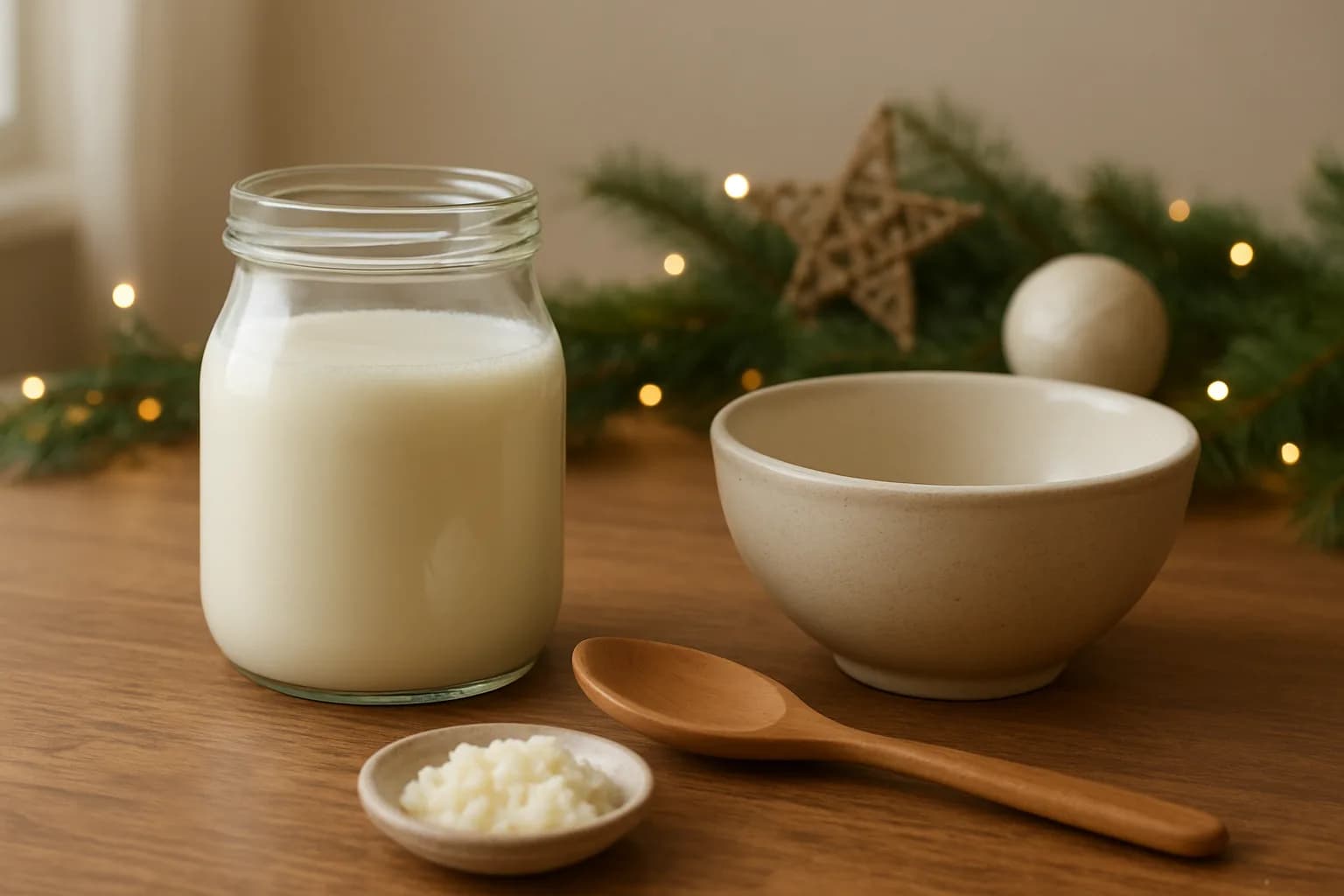
Making kefir at home is straightforward: combine kefir grains with milk, let them ferment at room temperature for about a day, strain, and enjoy. Homemade kefir offers a fresh, tangy drink that fits easily into everyday life, including the winter holidays when many look for comforting, nourishing foods.
Key takeaways
- Making kefir at home requires only kefir grains, milk, and a jar.
- The fermentation process typically takes 24 hours at room temperature.
- Straining separates the drinkable kefir from the reusable grains.
- Proper care of kefir grains ensures ongoing, successful batches.
- Homemade kefir can be flavored or used in various recipes.
How do you make kefir at home?
To make kefir at home, add kefir grains to milk in a clean jar, cover lightly, and let it ferment for about 24 hours at room temperature. After fermentation, strain the kefir to separate the grains, then refrigerate the drink. Use fresh, pasteurized milk for best results, and always clean your utensils and containers before starting. Each batch of kefir can be made with the same grains, which multiply over time with proper care. During the holiday season, homemade kefir can be used in smoothies, dips, or poured over granola for a festive breakfast.
What do you need to start making kefir at home?
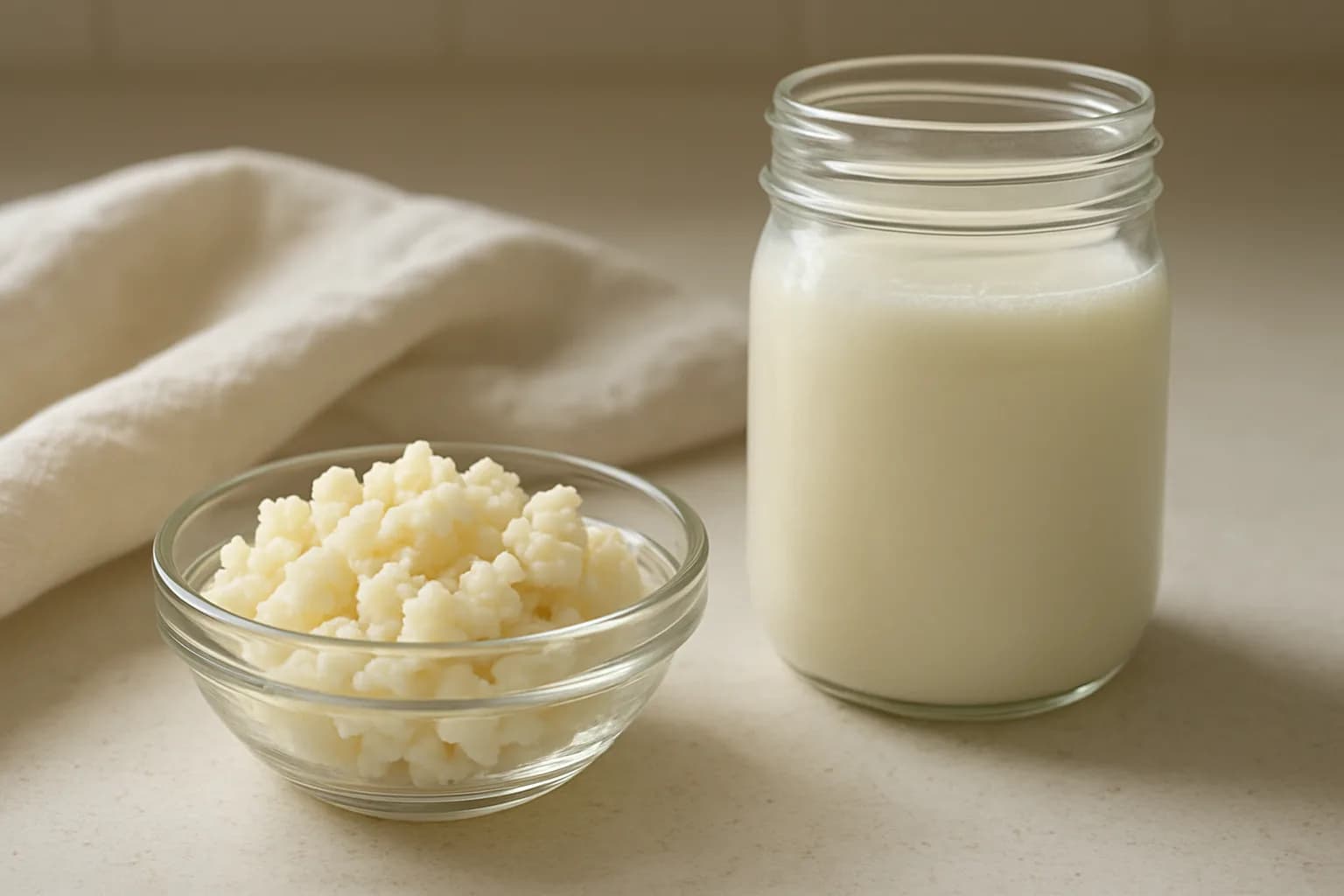
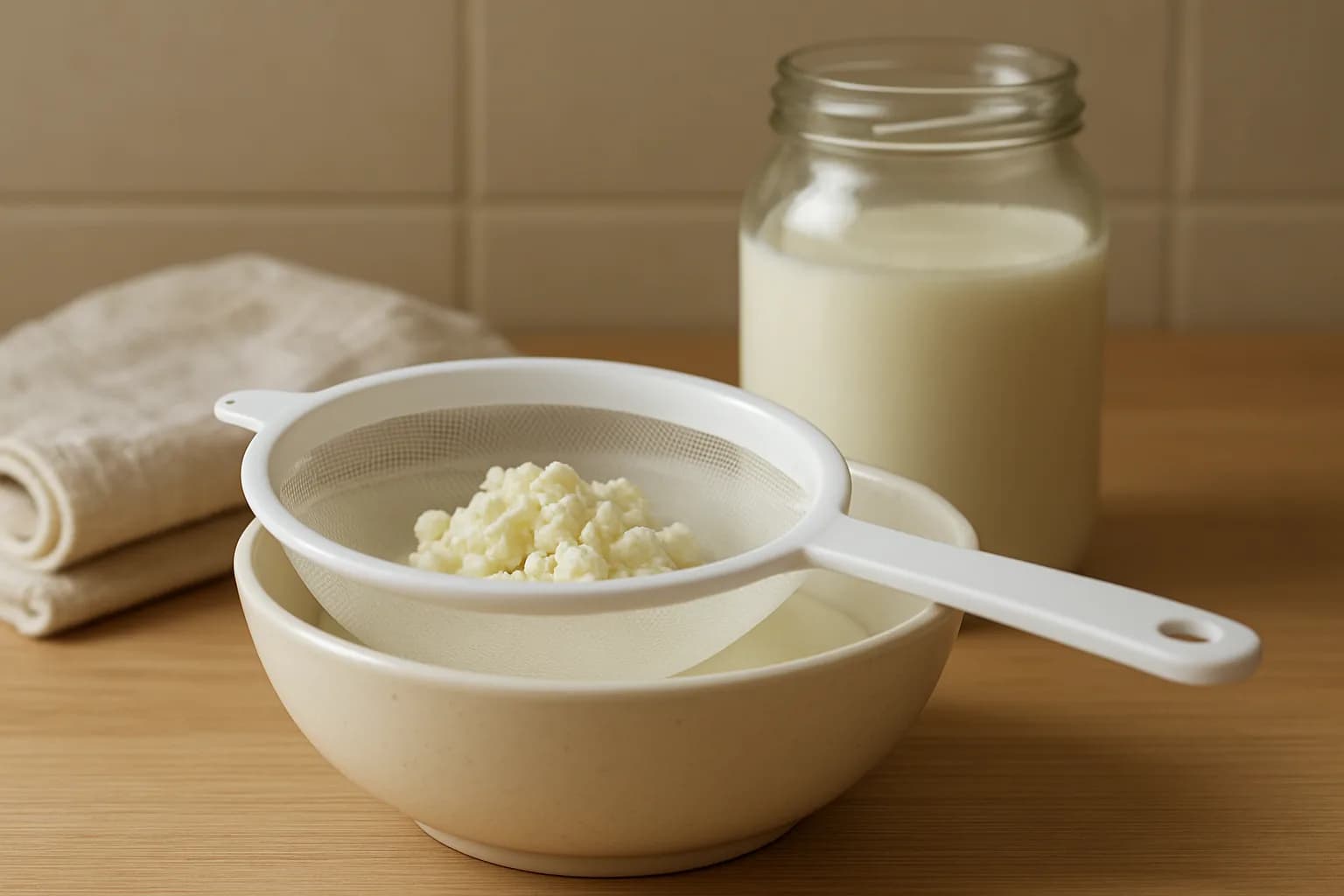
You need kefir grains, fresh milk (cow, goat, or plant-based alternatives), a glass jar, a non-metal strainer, and a spoon. Kefir grains are living cultures that look like small, cauliflower-like clusters and should be stored in a cool place until use. Glass jars are preferred because they do not react with the fermentation process. A non-metal strainer helps separate the grains from the finished kefir without damaging them. It is also helpful to have a cloth or paper towel and rubber band to cover the jar during fermentation, allowing airflow while keeping out dust.
What are common mistakes when making kefir at home?
Common mistakes when making kefir at home include using metal utensils, which can harm the kefir grains, and keeping the jar in a too-cold or too-hot location. Another frequent issue is adding too much or too little milk, which affects the fermentation process. Over-fermenting can lead to a very sour taste and separation of curds and whey. If your kefir has an off smell or color, discard it and start fresh. > Tip: Always rinse your kefir grains with filtered water if you need to pause the process or store them for a few days in the fridge.
How do you care for and use kefir grains?
To care for kefir grains, strain them gently after each batch and rinse if needed. Store them in fresh milk in the fridge if you plan to pause making kefir for more than a day. Kefir grains multiply over time, so you can share extra grains with friends or store them in a small amount of milk. Use the same grains for many batches, but replace them if they change color or stop fermenting. Home-fermented kefir can be enjoyed plain or flavored with fruit, honey, or spices for winter treats.
Frequently asked questions
How long does homemade kefir last in the fridge?
Homemade kefir typically stays fresh in the refrigerator for about a week. Always store it in a clean, covered jar and check for changes in smell or texture before drinking.
Can you use plant-based milk to make kefir at home?
You can try making kefir at home with plant-based milks, but kefir grains grow best in dairy milk. If you use plant-based options, refresh the grains in dairy milk every few batches to keep them healthy.
Why is my homemade kefir separating into curds and whey?
Separation often means the kefir has fermented for too long or in a warm spot. Stir the mixture and adjust the fermentation time or temperature for the next batch.
Can I reuse kefir grains indefinitely?
With proper care, kefir grains can be reused for many batches. Replace them if they become discolored, mushy, or stop fermenting the milk properly.
What is the best temperature for fermenting kefir at home?
Room temperature, around 20–25°C (68–77°F), is ideal for fermenting kefir at home. Avoid placing the jar near heaters or in very cold rooms.
Anyone with a health condition should consult a doctor or pharmacist before changing their diet.