Recipes & guides · recipes with Bulgarian yogurt · 4 min read
How to Use Bulgarian Yogurt in Holiday Recipes: Tips and Ideas
Using Bulgarian yogurt in holiday recipes brings a creamy texture and subtle tang to festive dishes. Discover which recipes work best and how to make the most of Bulgarian yogurt this winter season.
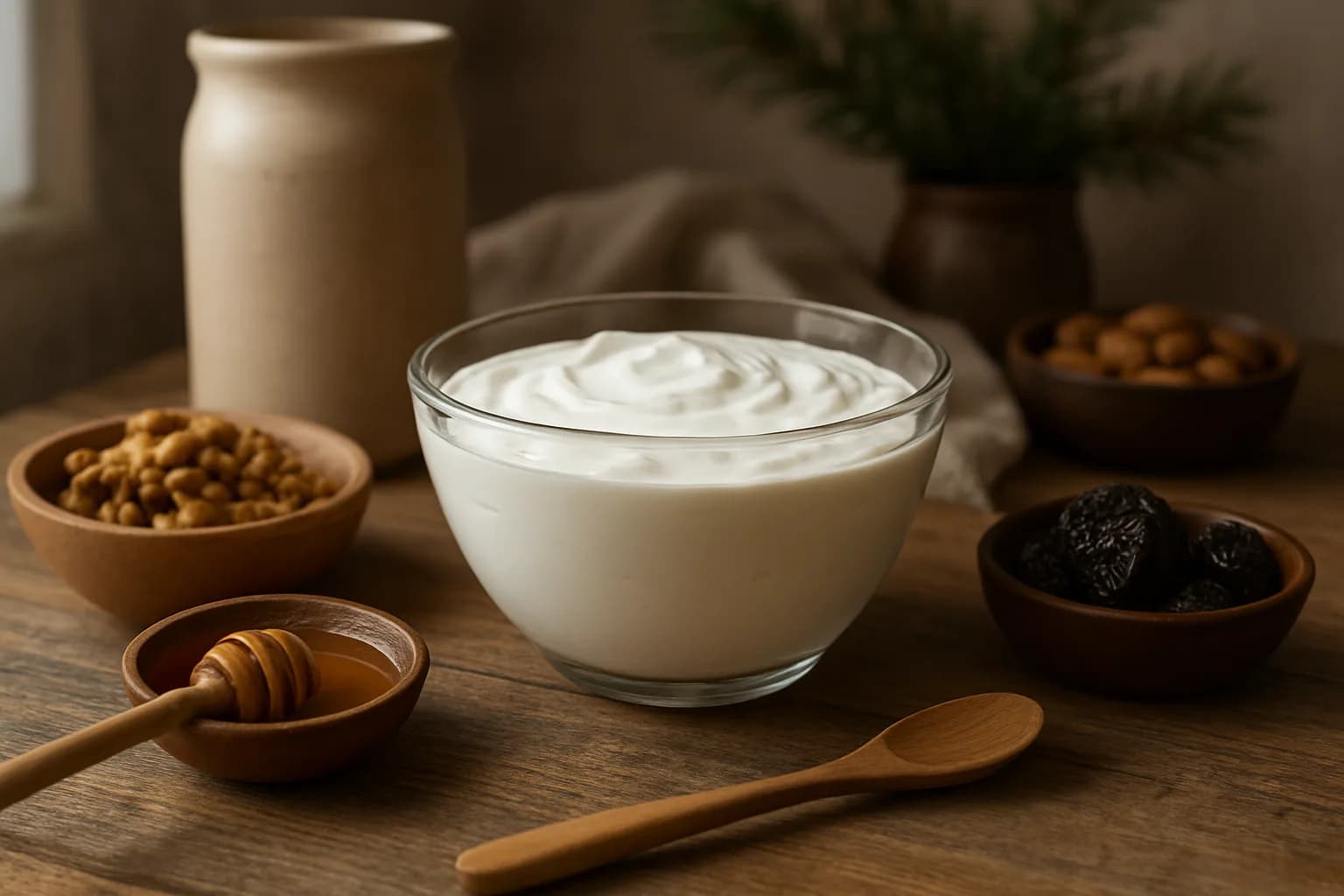
Bulgarian yogurt adds a unique tang and creamy texture to holiday recipes, making festive dishes richer and more satisfying. The live cultures in Bulgarian yogurt also bring a subtle complexity to both sweet and savoury winter meals. Whether for cooking, baking, or serving, Bulgarian yogurt fits naturally into the holiday kitchen.
Key takeaways
- Bulgarian yogurt’s creamy texture and tangy flavour enhance both sweet and savoury holiday recipes.
- Use Bulgarian yogurt as a substitute for cream, sour cream, or mayonnaise in many festive dishes.
- The live cultures in Bulgarian yogurt may affect texture and taste when heated, so gentle cooking is recommended.
- Bulgarian yogurt works well in dips, baked goods, desserts, and marinades for winter celebrations.
- Choose full-fat Bulgarian yogurt for richer, creamier results in most holiday recipes.

How do you use Bulgarian yogurt in holiday recipes?
Use Bulgarian yogurt in holiday recipes by incorporating it into dips, dressings, baked goods, and desserts. Bulgarian yogurt’s creamy consistency makes it ideal for classic winter dips, creamy salad dressings, and as a base for cakes or muffins. For cold dishes, stir Bulgarian yogurt directly into the mixture. For baked goods, replace part or all of the dairy (like milk or cream) with Bulgarian yogurt, which adds moisture and a gentle tang. In desserts such as parfaits and cheesecakes, Bulgarian yogurt can lighten the texture while keeping the dish rich.
What is the difference between Bulgarian yogurt and other yogurts in recipes?
Bulgarian yogurt differs from regular yogurt by its specific bacteria—Lactobacillus bulgaricus and Streptococcus thermophilus—which produce a more pronounced tang and thicker texture. In recipes, Bulgarian yogurt gives dishes a firmer body and distinctive flavour compared to mild, thinner yogurts. When used in baking or cooking, Bulgarian yogurt may result in a denser crumb or more robust taste. Substitute Bulgarian yogurt for Greek or plain yogurt in a one-to-one ratio, but keep in mind that Bulgarian yogurt’s tang is more noticeable, especially in sweet recipes.
Which holiday dishes work best with Bulgarian yogurt?
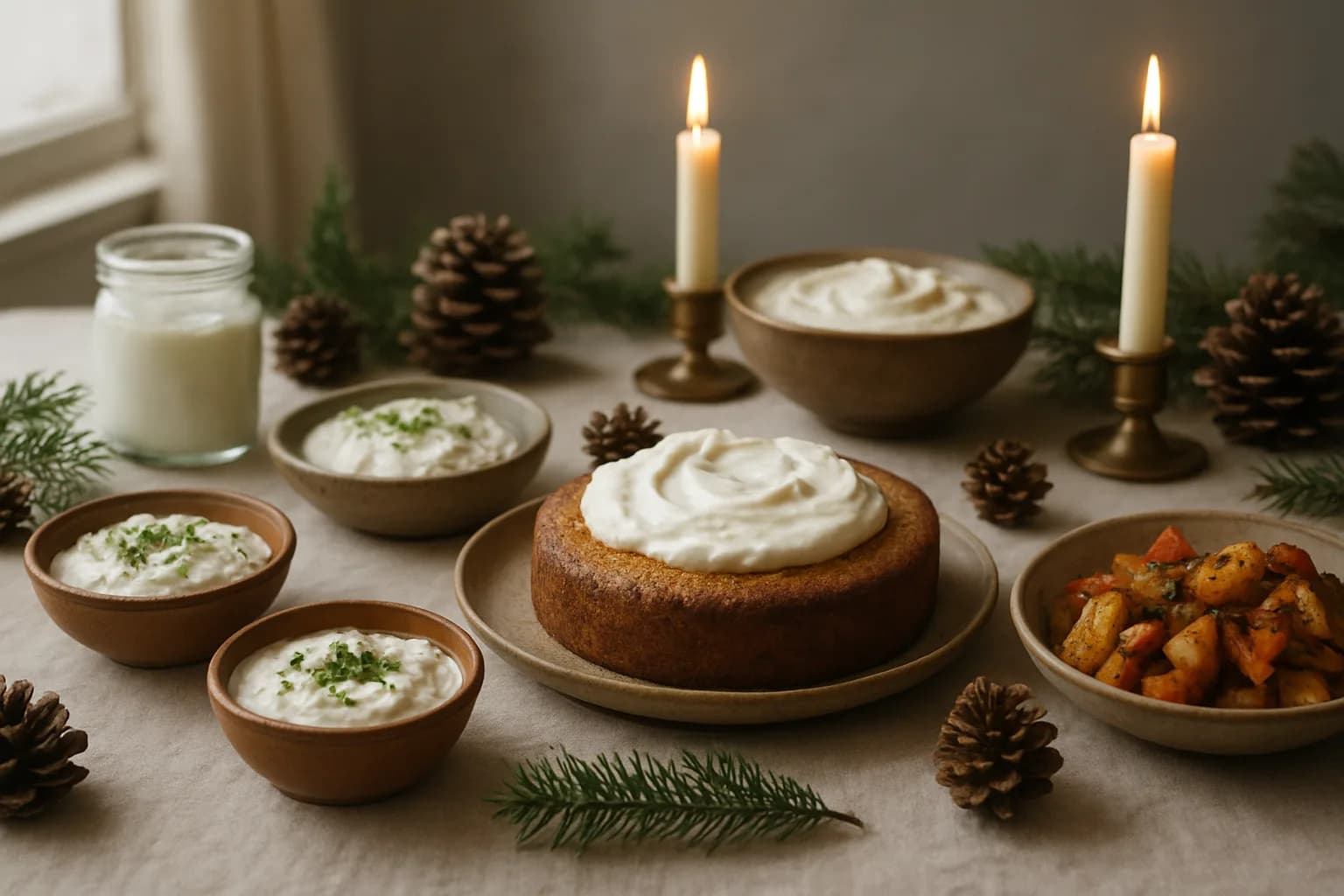
Holiday dishes that work best with Bulgarian yogurt include creamy dips, vegetable sides, baked goods like breads and cakes, and chilled desserts. Bulgarian yogurt is perfect for tzatziki, herbed yogurt dips, or as a topping for roasted winter vegetables. In baking, use it in cakes, muffins, or even festive breads to add moisture and a slight tang. For desserts, layer Bulgarian yogurt with fruit and granola for a simple parfait, or blend it into cheesecakes for a lighter texture.
Tip: For a quick holiday appetizer, mix Bulgarian yogurt with chopped dill, garlic, and lemon juice for a refreshing dip served with winter crudités or crackers.
How do you choose the right Bulgarian yogurt for winter recipes?
Choose the right Bulgarian yogurt for winter recipes by looking for full-fat varieties with live cultures and no added flavours. Full-fat Bulgarian yogurt gives the creamiest results in dips, marinades, and desserts. If a lighter option is preferred, low-fat Bulgarian yogurt can be used, but the texture may be less rich. Always check the label to ensure the yogurt contains only milk and starter cultures for the most authentic flavour and performance in recipes. Homemade Bulgarian yogurt is also an option for those who want ultimate control over texture and tang.
Frequently asked questions
Can I use Bulgarian yogurt in place of sour cream or mayonnaise?
Yes, Bulgarian yogurt is an excellent substitute for sour cream or mayonnaise in dips, dressings, and spreads. Its creamy consistency and tangy flavour make it a natural fit, especially in holiday recipes.
Will Bulgarian yogurt curdle when heated?
Bulgarian yogurt can curdle if heated too quickly or at high temperatures. For hot dishes, add Bulgarian yogurt at the end of cooking or temper it with a little warm liquid before mixing. Gentle heating preserves its texture.
Is Bulgarian yogurt suitable for holiday baking?
Bulgarian yogurt works well in holiday baking, adding moisture and a subtle tang to cakes, muffins, and breads. Use it in place of milk or part of the fat for a denser, richer crumb in festive treats.
What are some easy holiday recipes with Bulgarian yogurt?
Easy holiday recipes include herbed yogurt dips, yogurt-based salad dressings, quick cakes, and parfaits with fruit and granola. Bulgarian yogurt also works well as a topping for roasted vegetables or baked potatoes.
Can anyone use Bulgarian yogurt in recipes?
Most people can enjoy Bulgarian yogurt in recipes, but those with lactose intolerance or dairy allergies should check with a doctor or pharmacist before using it.